Field Notes from Our Director of Programs and Operations, Dawa Sherpa

I hope you and your families continue to remain cautious, vigilant, and healthy as we continue to fight against the COVID-19 pandemic.

It has been over a year since the first case of the coronavirus emerged. For me, it’s been almost a year since I arrived in Kathmandu, Nepal, en-route to Bhutan. Just days before I was set to enter Bhutan, my plan to visit our projects was cancelled, as the Paro Airport swiftly shut down and Bhutan closed their international borders. Despite not being able to visit projects on the ground, our teams in DC and Bhutan continue to meet frequently over zoom to carry out most of our projects. With your support, we donated equipment and supplies to hospitals, provided a grant to His Majesty’s Kidu Fund for Covid Relief, and supported those most impacted by the pandemic. We remain grateful to you for your support during this critical period. 

For most developing countries, the long-term economic impact from the pandemic is unfathomable and will be felt for years to come. The Bhutan Foundation is working with local partners to create programs that address Bhutan’s food security and employment and will have a lasting impact. We support activities that promote sustainable farming, increased agricultural production and local food product development. We also support young entrepreneurs to address the challenges of the food supply chain and distribution.

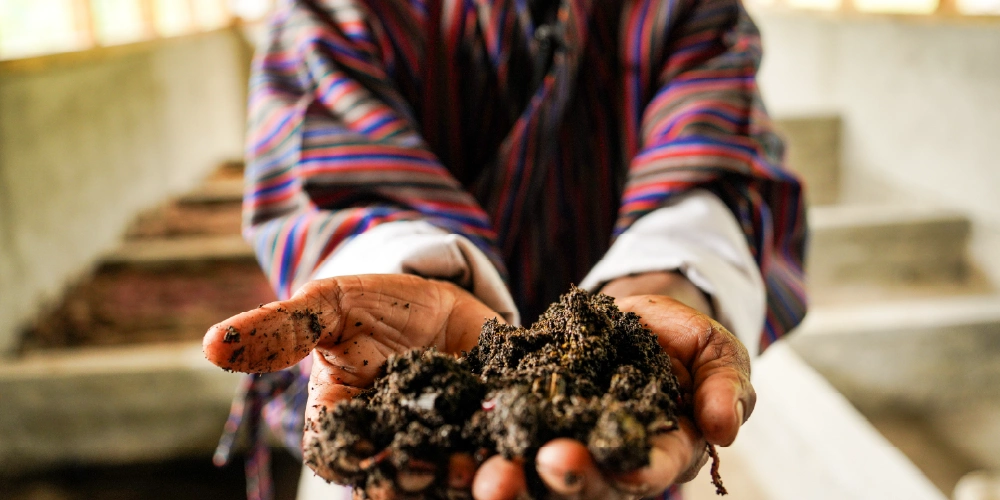
As an example, Bhutan imports most of its crops during the winter months and rural communities in southern and eastern regions often suffer from food insecurity. As a result, we are working with the Samdrup Jongkhar Initiative (SJI) and the Tarayana Foundation to introduce winter crop farming to these communities. This winter, we supported SJI to set up 15 urban organic farms in Dewathang (eastern Bhutan), which is turning into a model farm for many aspiring urban farmers. The farm employs local youth who were impacted by the pandemic to cultivate chili, beans, spinach, broccoli, cauliflower, tomato, onion, and cabbage. They are also cultivating 2.5 acres of mustard. Inspired by this project, many other farmers and housewives of civil servants have started growing vegetables nearby.  

With the Tarayana Foundation, we supported the introduction of organic farming and winter cropping to 249 households in Sarpang and Samtse (southern Bhutan). This winter, the two communities planted 10 crop varieties such as cabbage, ginger, chili, potatoes, squash, pumpkin, spinach, millet, quinoa, and rice. These new crops will help the communities become self-sustaining, as well as provide a source of income.

It’s clear that supporting food security, sustainable agriculture, and employment opportunities, particularly for the youth and those affected by COVID-19, will be an increasingly important part of our efforts. Please be sure to keep an eye on our website for more updates in the coming weeks and consider giving to our sustainable development fund to help support ongoing and future work in Bhutan.
Share This Post

Help share our latest news and updates with your network.

Subscribe Now

Get inspiring stories, project updates, and opportunities to make a difference.

Latest News, Updates & Announcements

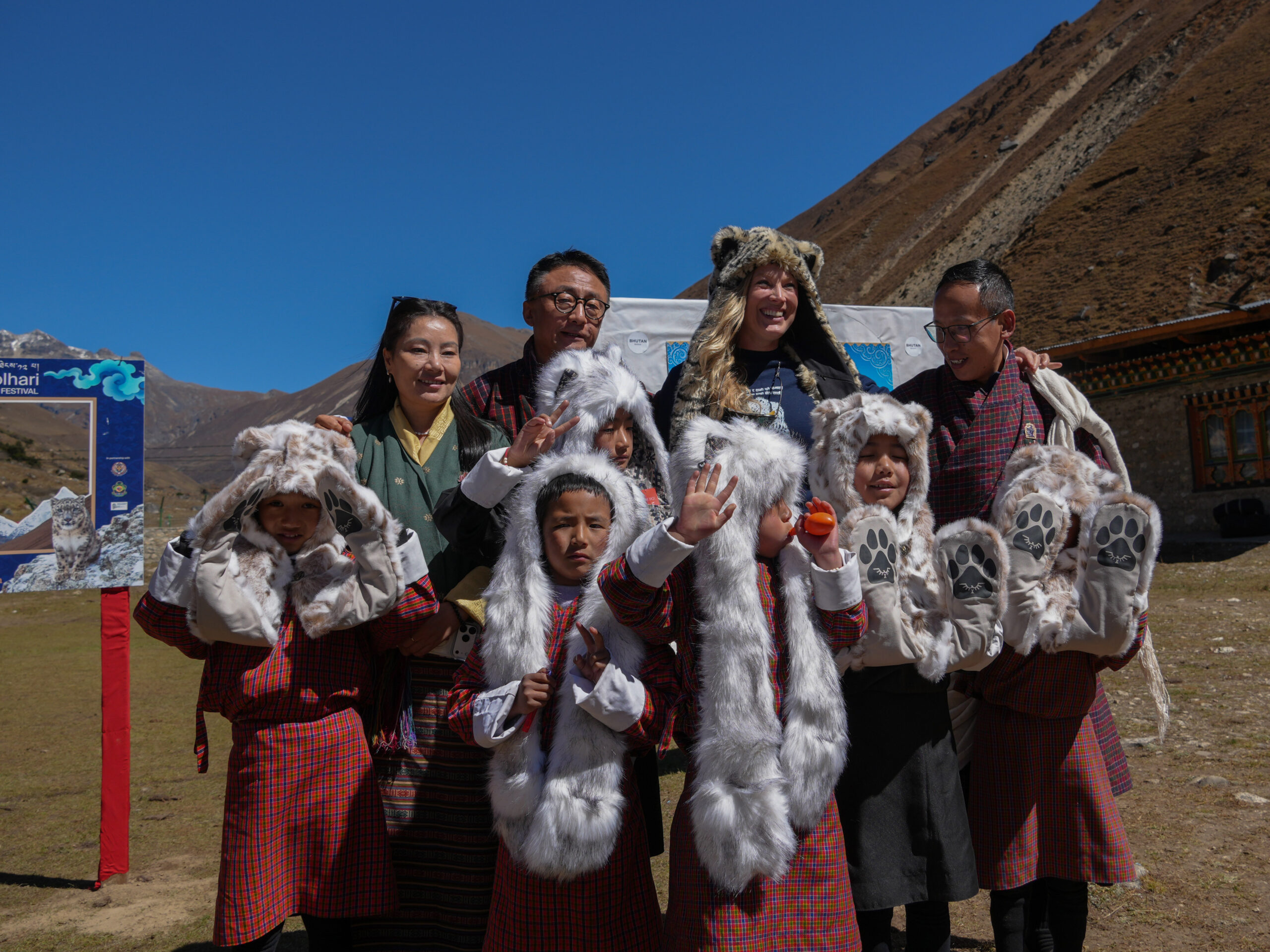
12th Jomolhari Mountain Festival Marks a New Milestone in Sustainability

12th Jomolhari Mountain Festival Marks a New Milestone in Sustainability

The 12th Jomolhari Mountain Festival kicked off at Dangochong, Soe Gewog, approximately 4,100 metres…

Bruce Bunting Scholarship Recipients 2026

Bruce Bunting Scholarship Recipients 2026

The Bruce Bunting Scholarship for Environmental Leadership continues to support Bhutanese professionals in building the knowledge…

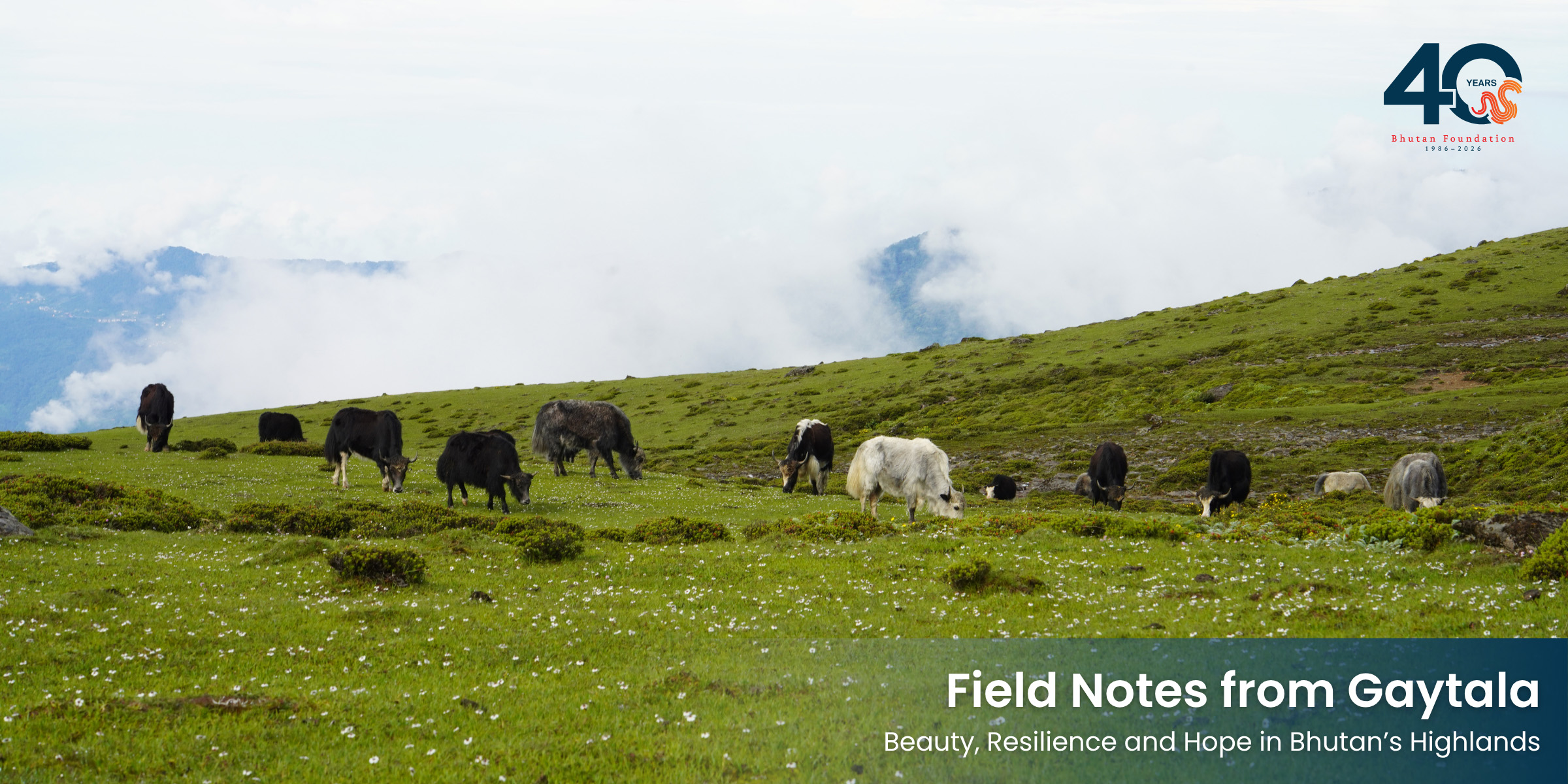
Field Notes from Gaytala

Field Notes from Gaytala

Beauty, Resilience, and Hope in Bhutan’s Highlands Many of the Bhutan Foundation’s programs reach…

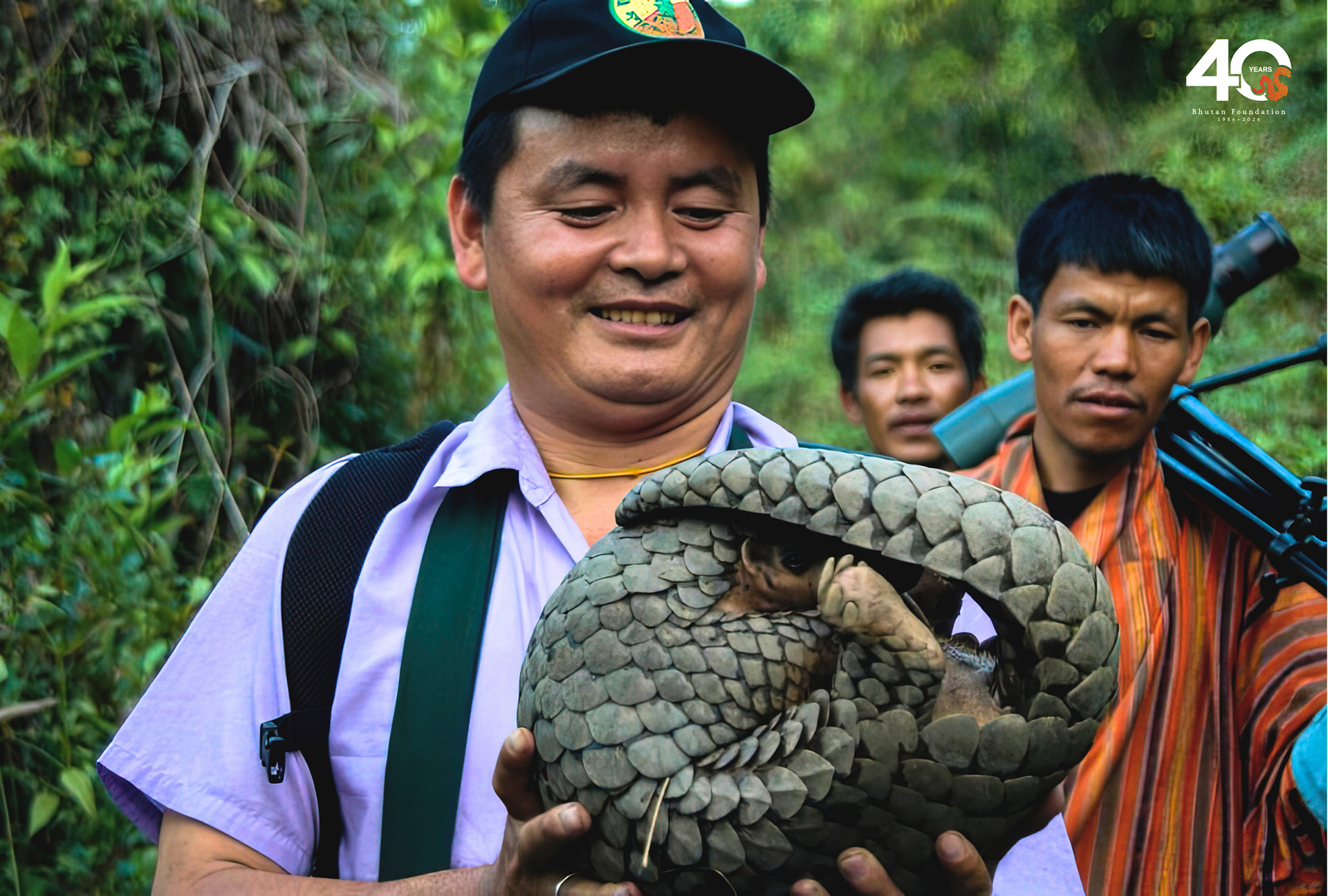
Thirty-One Years on the Frontline

Thirty-One Years on the Frontline

For 31 years, Dorji Wangchuk has walked Bhutan’s forests with a responsibility that extends…

Help Build a Stronger Bhutan

Every gift creates lasting change.

Your support will help:

Conserving Bhutan's rich biodiversity and pristine landscapes.

Creating opportunities for children and young people to succeed.

Improving access to quality healthcare and essential services.

Protecting Bhutan's traditions, heritage, and identity.

Other Ways to Give

Make a Wire Transfer

Please contact Ms. Pemma Lhazin at +1-202-609-7363 or pemma.lhazin@bhutanfound.org

Make a Stock Gift

Please contact Ms. Pemma Lhazin at +1-202-609-7363 or pemma.lhazin@bhutanfound.org

Mail a Check

The Bhutan Foundation
1050 Connecticut Ave NW
#66013
Washington, DC 20036

A Gift in Your Will:

There are several ways to make a bequest to the Bhutan Foundation through your will or other estate plans: a residual bequest, a percentage bequest, a specific bequest, or a contingent bequest. Whichever type of bequest you choose, please use the following language:

“I give, devise, and bequeath to the Bhutan Foundation, Inc. (“Foundation”) (EIN: 13-3376290), an Internal Revenue Code section 501(c)(3) organization organized in the State of Delaware, or its lawful successor, the sum of $ _____ [or a percentage of my estate] to be used exclusively for purposes of promoting the Foundation’s charitable mission (the “Purpose”).”

Tax ID Number: 13-3376290

The Bhutan Foundation is a 501(c)(3) registered charitable organization in the United States. Your contribution is tax-deductible to the extent allowed by law.

Stay Connected to Bhutan

Get inspiring stories, project updates, and opportunities to make a difference.


By submitting this form, you are consenting to receive marketing emails from: The Bhutan Foundation, 1050 Connecticut Ave NW #66013, Washington, DC, 20036, https://bhutanfound.org/. You can revoke your consent to receive emails at any time by using the SafeUnsubscribe® link, found at the bottom of every email. Emails are serviced by Constant Contact