

Palace Restoration
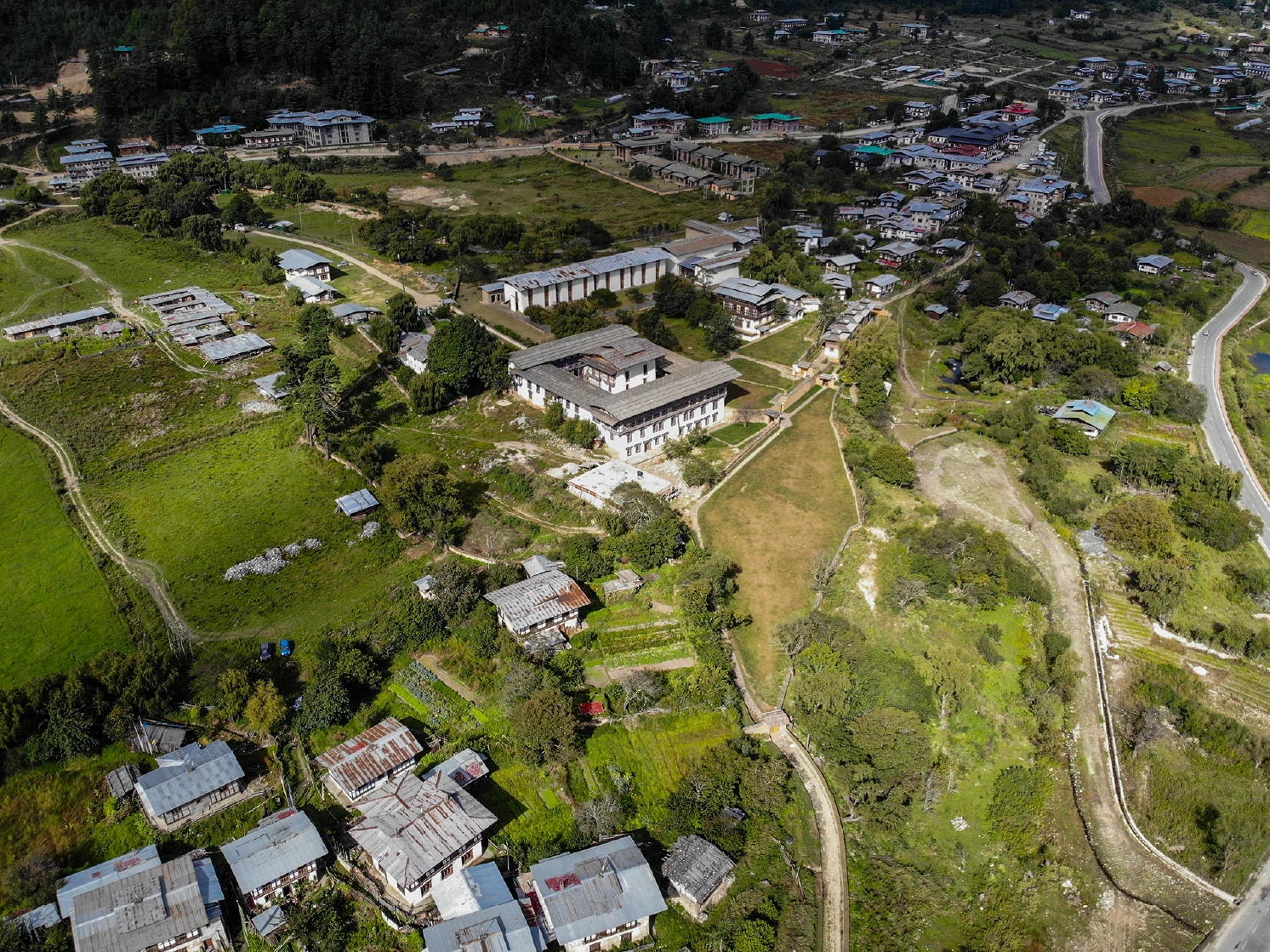
Bhutan is largely considered one of the last surviving monarchies in the world. Through most of the country’s early history, Bhutan witnessed attacks mainly from Tibet, and, as a consequence, all prominent structures were designed and built as fortresses or Dzongs in strategic locations throughout the country. Bhutan has continued to maintain these sites, as they are critical to Bhutan’s cultural and architectural heritage. One such site, the Wangduechhoeling Palace, is the birthplace of Bhutan’s monarchy and is in dire need of restoration.
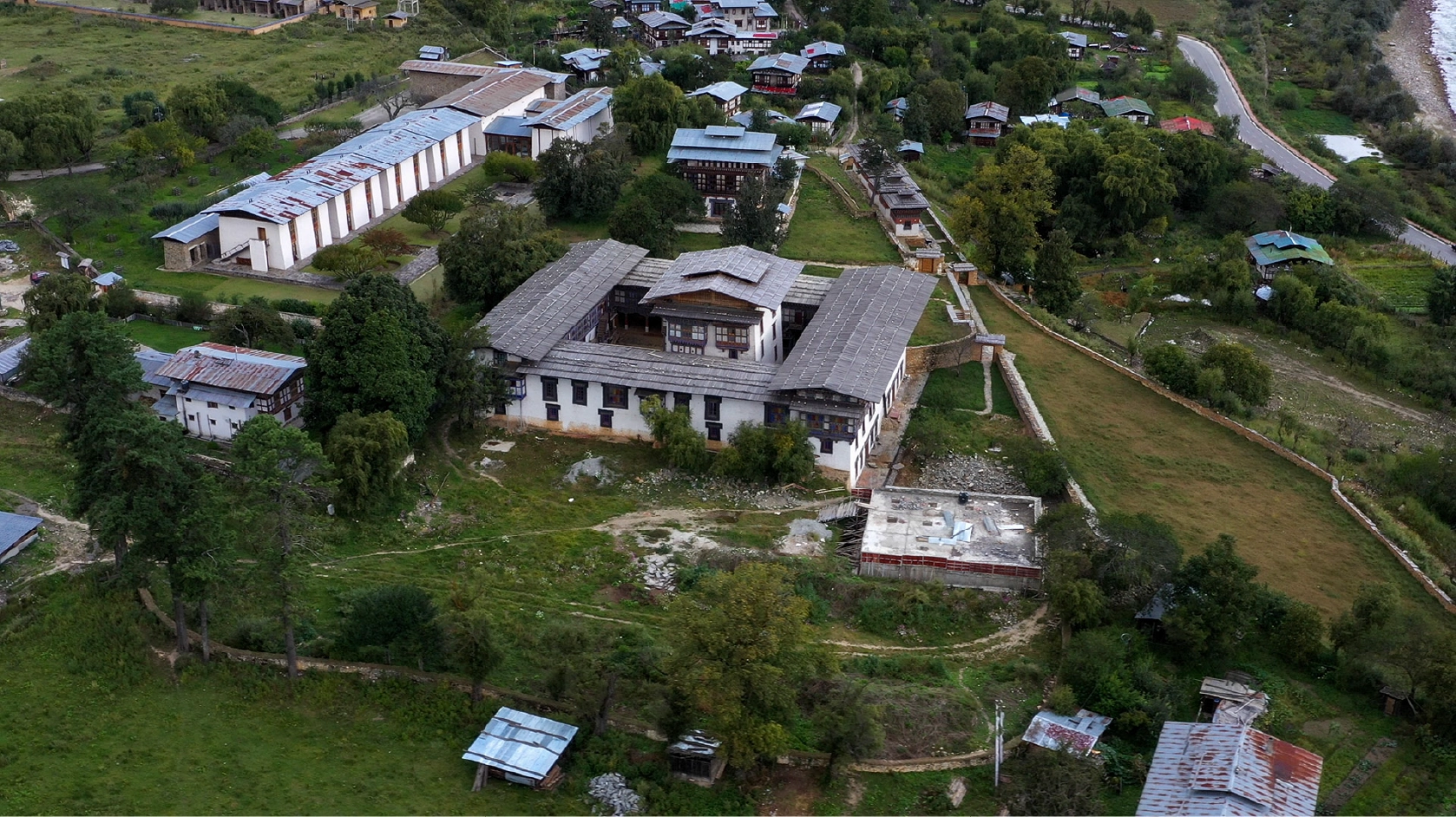
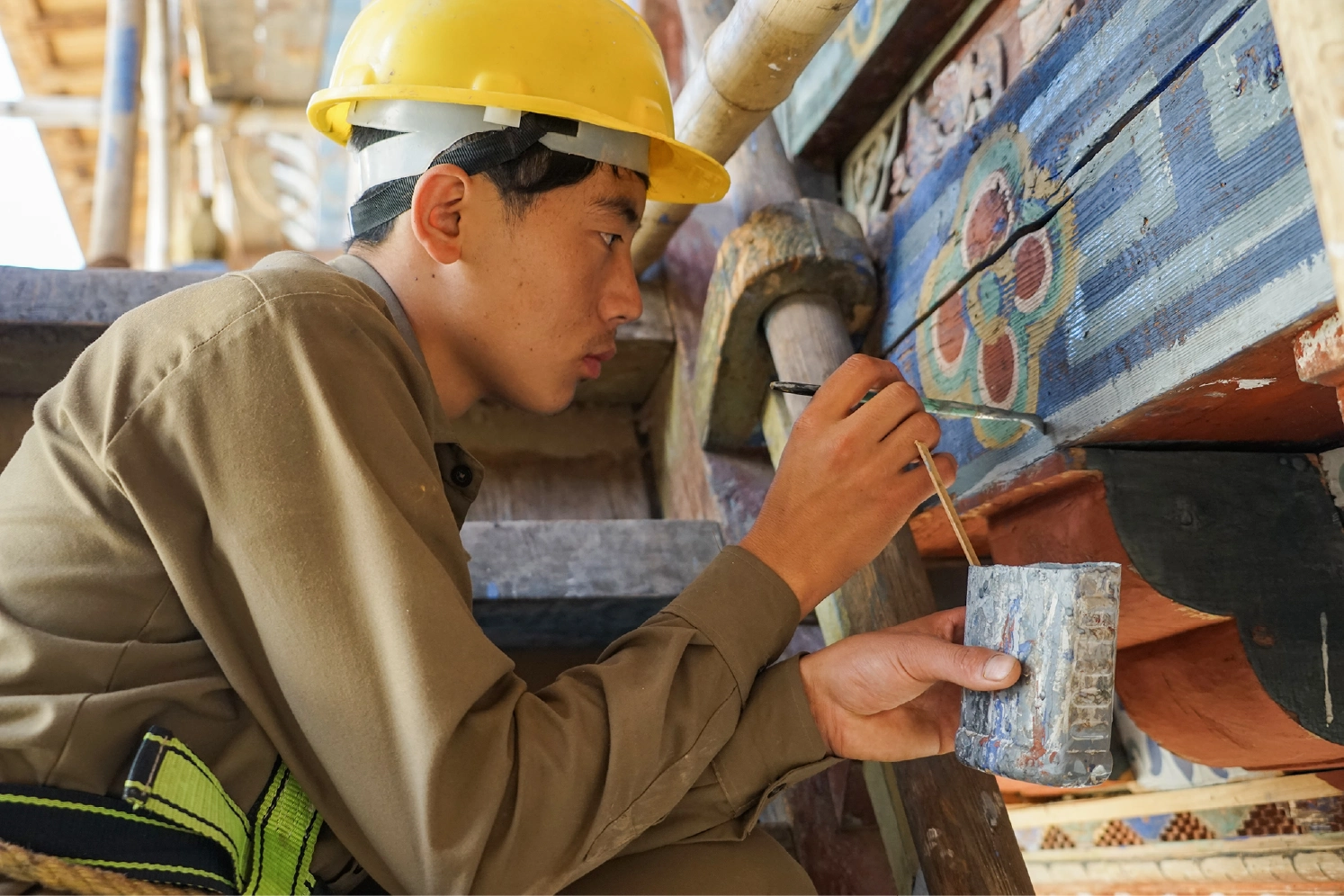
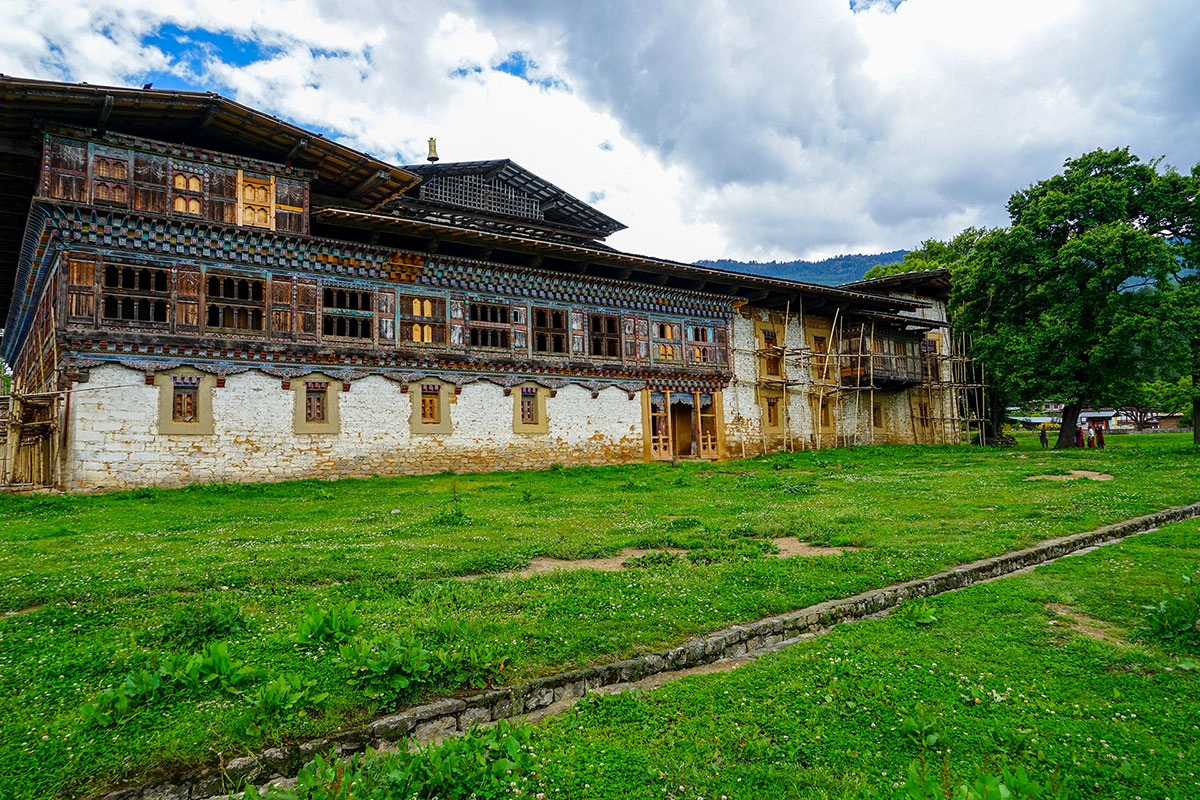
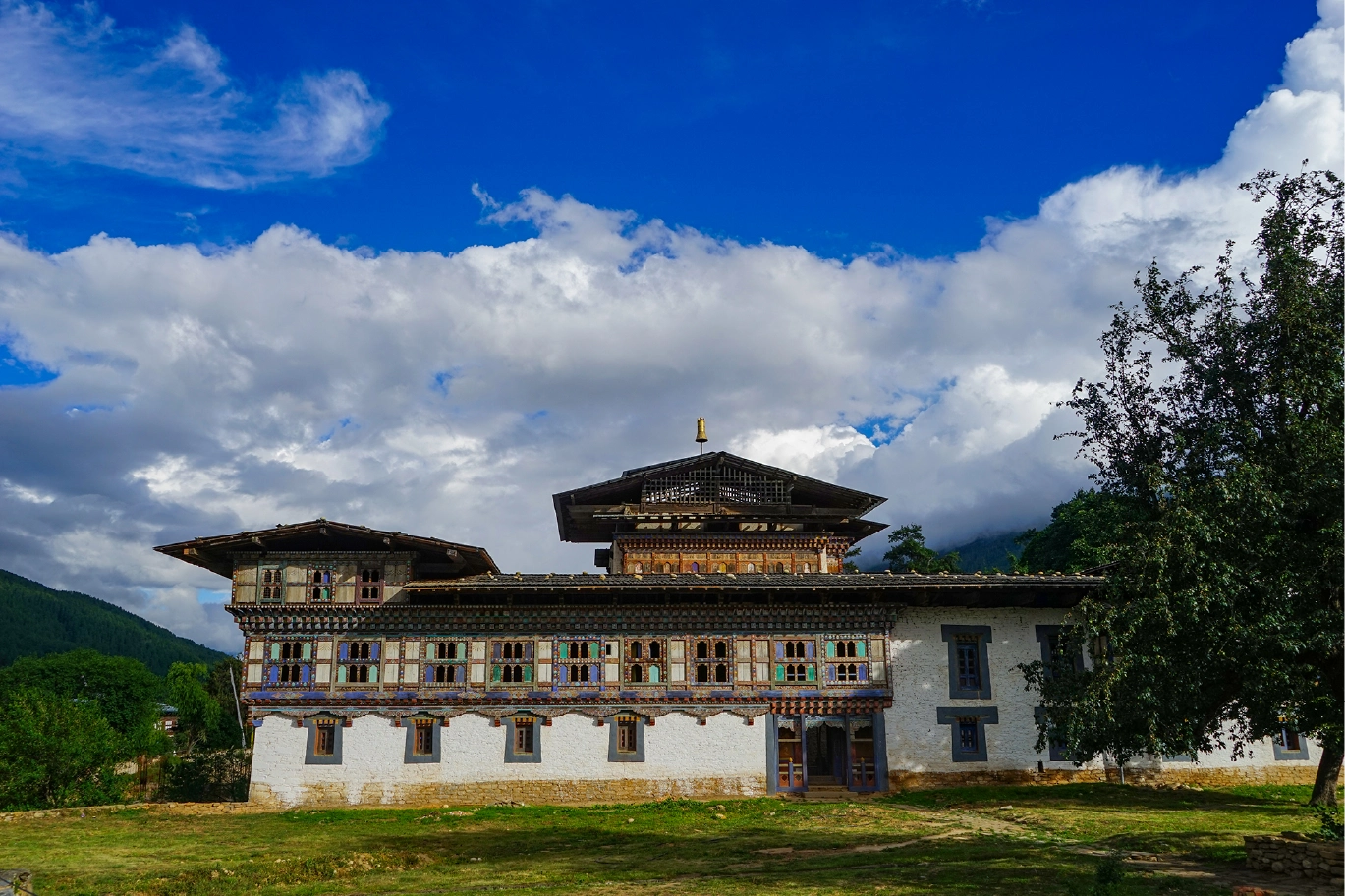
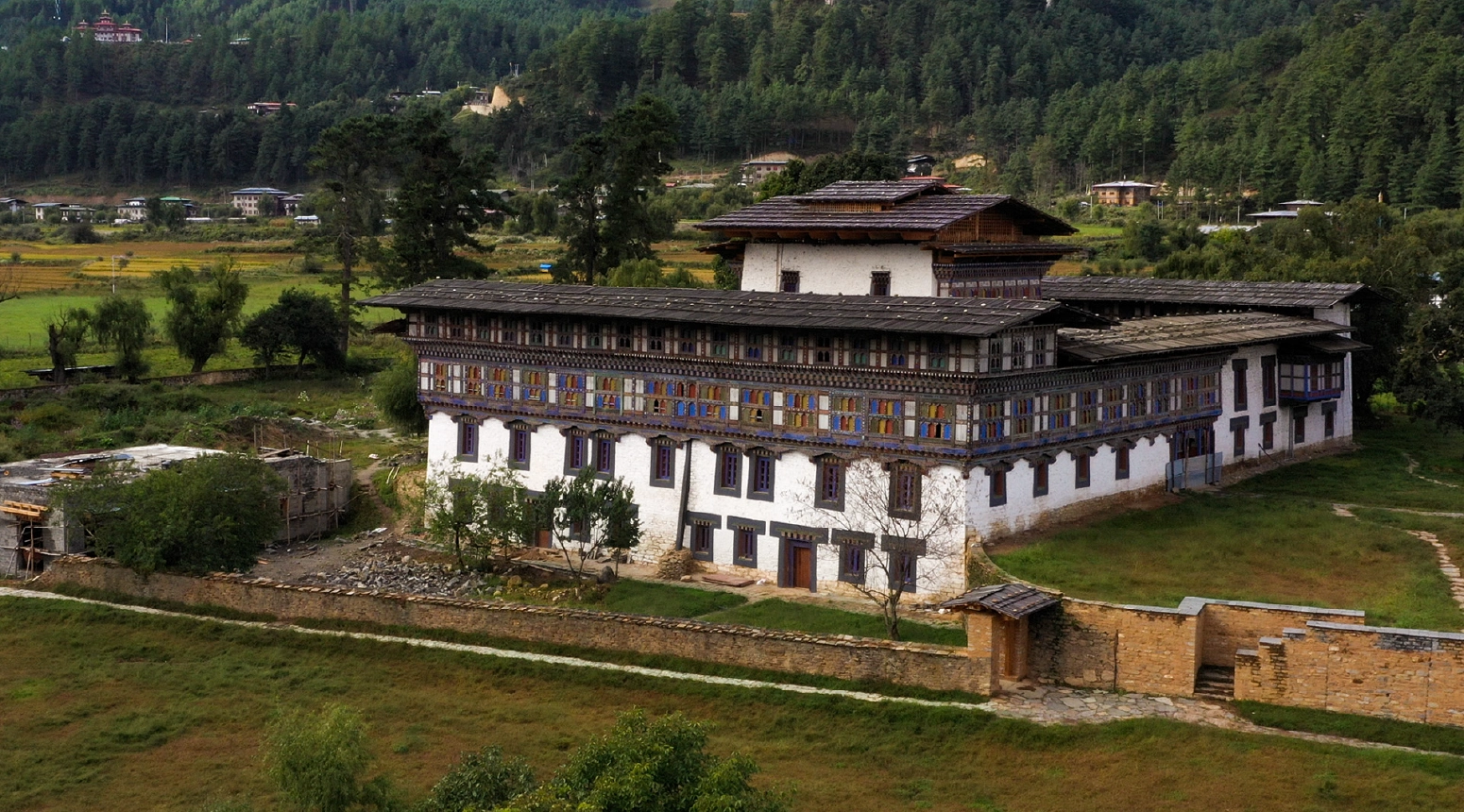
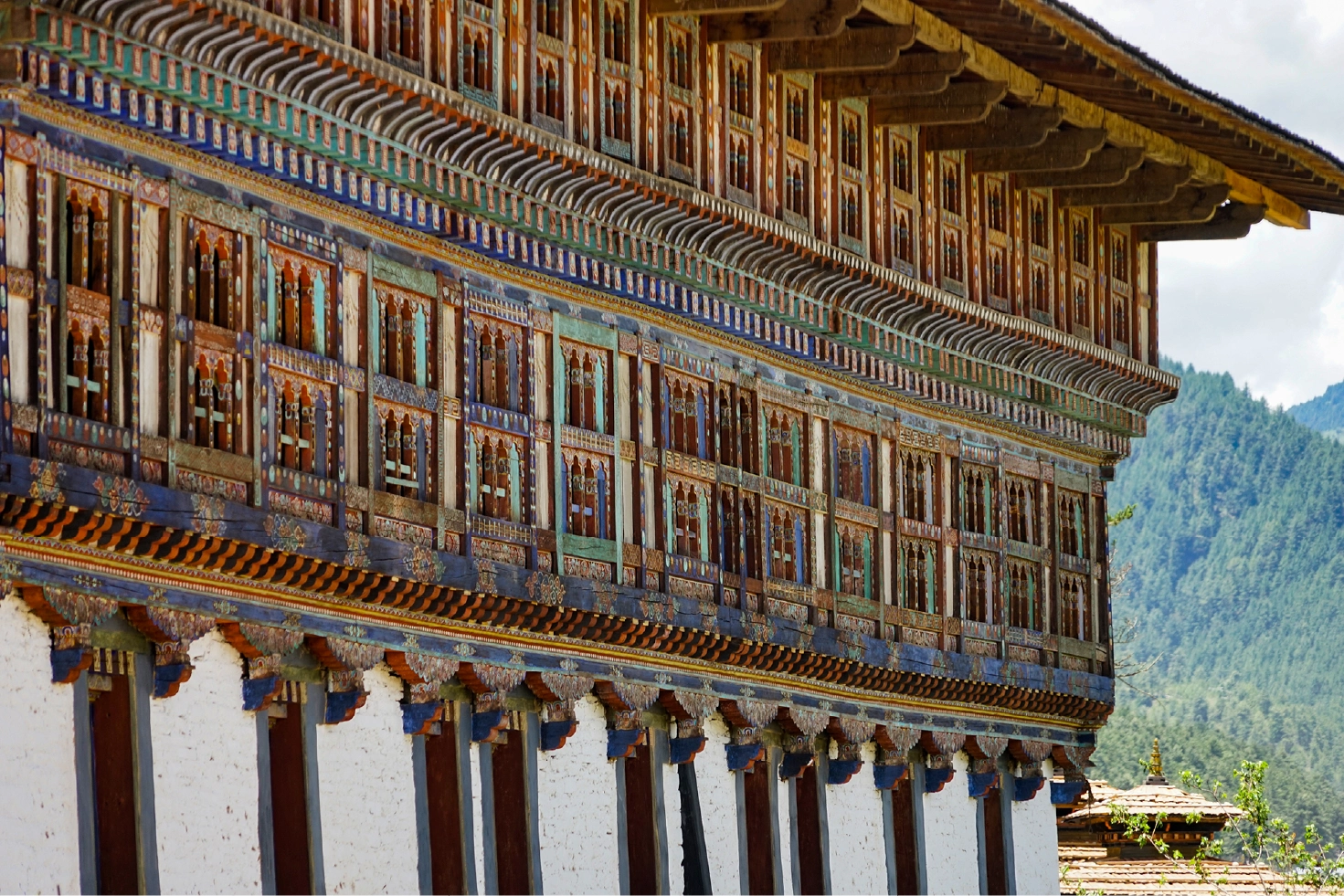
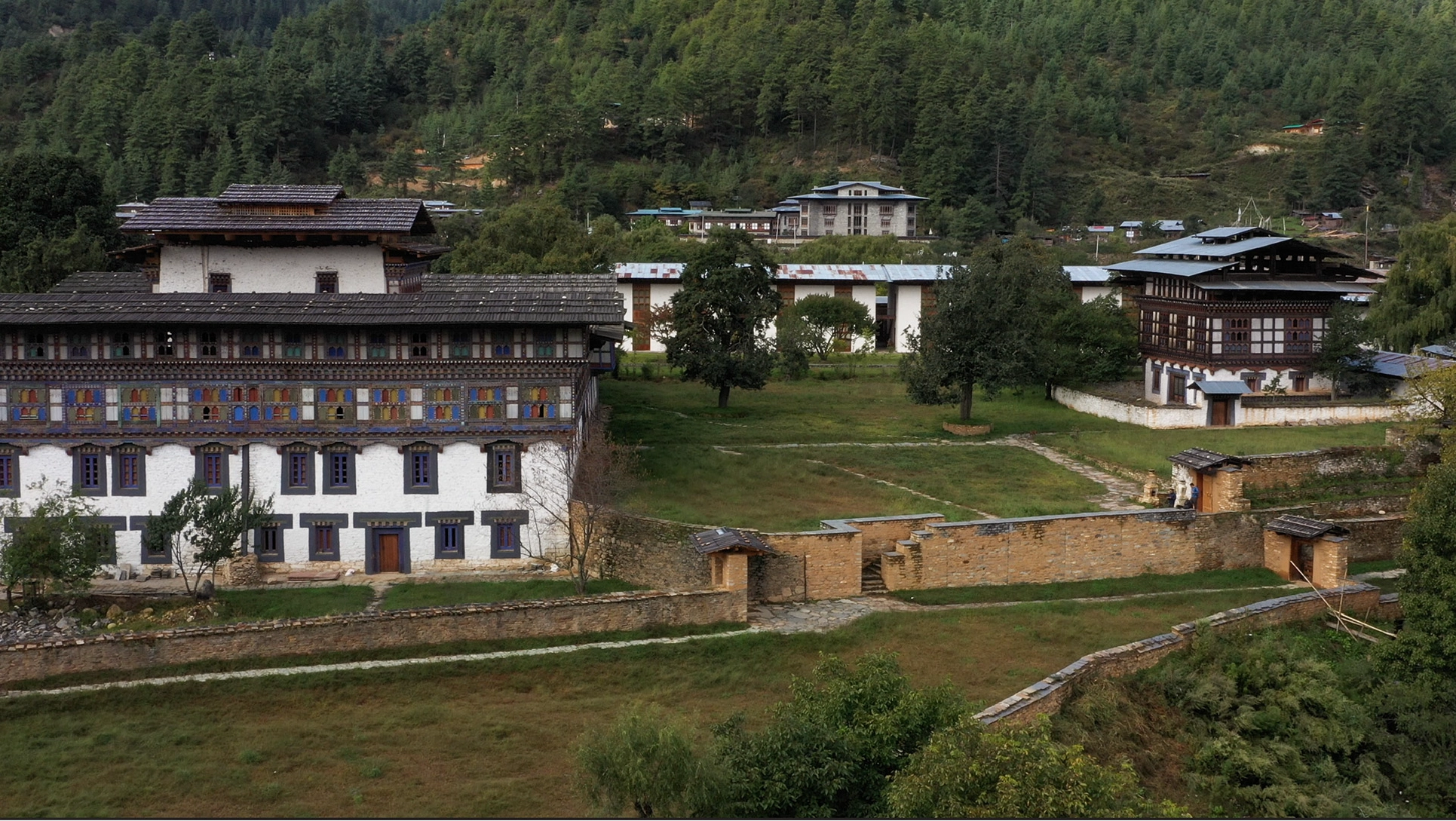
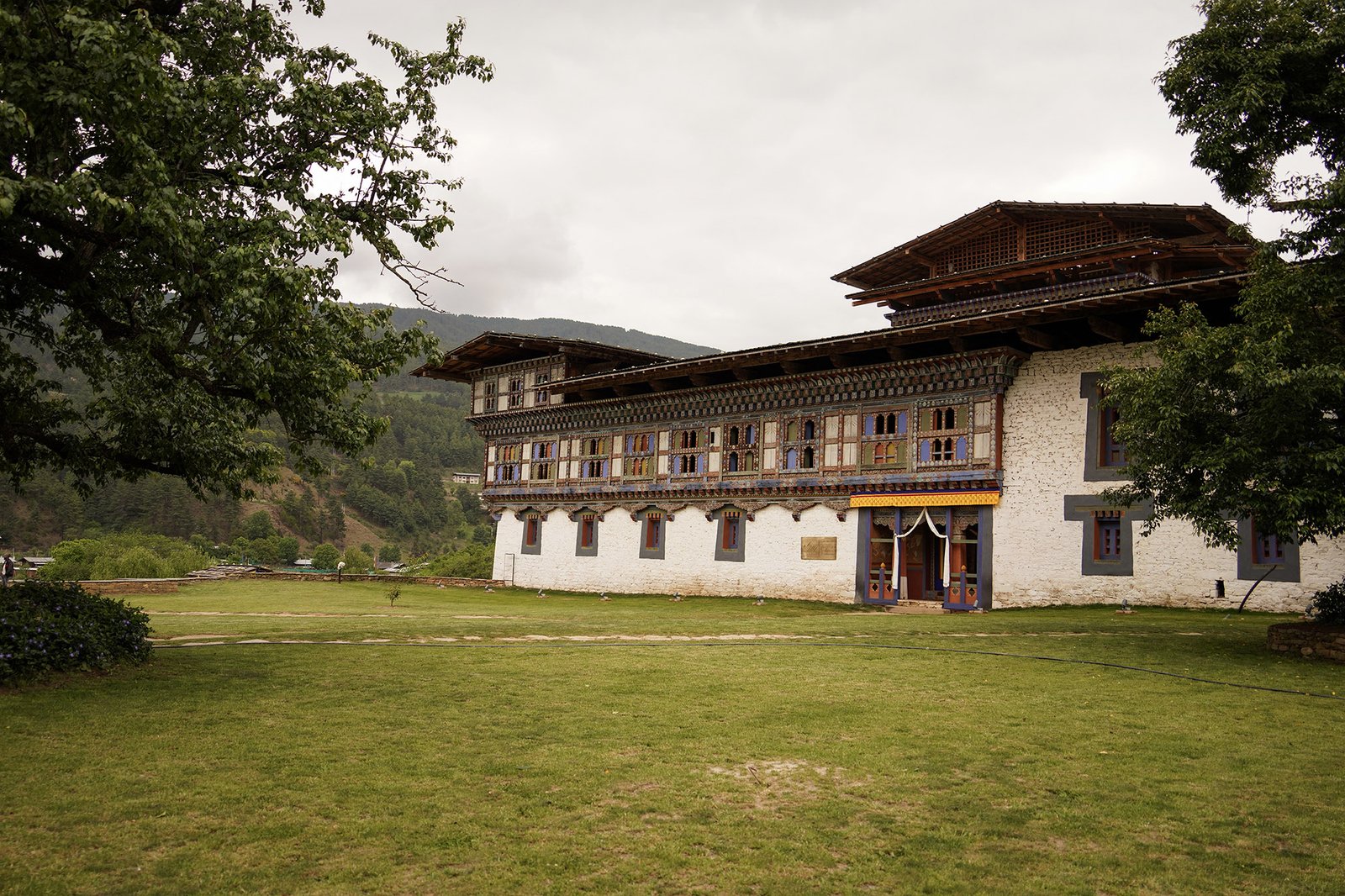
The Palace was built in 1857 by Gongsa Jigme Namgyal, the father of the first King of Bhutan. It was left in a precarious state without any maintenance for more than 50 years, and the stunning carvings and paintings on its façade, the timber window frames, and the walls were rapidly deteriorating. The Palace is not only the finest representation of traditional Bhutanese architecture, but it is also a symbol of peace and stability in Bhutan under the Wangchuck dynasty. The Palace tells us stories of how Bhutan, as a country, was established and how our culture and traditions were during the times of the first, second, and third kings.
Seeing the need for significant restoration of this national treasure, the Bhutan Foundation in partnership with the Ministry of Home and Culture’s Division for Conservation of Heritage Sites committed to preserving the Palace and bringing it back to its former glory so the Bhutanese people, especially the younger generation, and others can learn about Bhutan’s history and continue to preserve Bhutan’s cultural traditions. The Palace will also serve as an important link between today and the pre-modernization way of life that revolved around Buddhist tradition and culture. The project also aims to serve as an example of heritage conservation in the country at a time when many other traditional structures are increasingly undervalued and are in danger of being replaced by new construction.
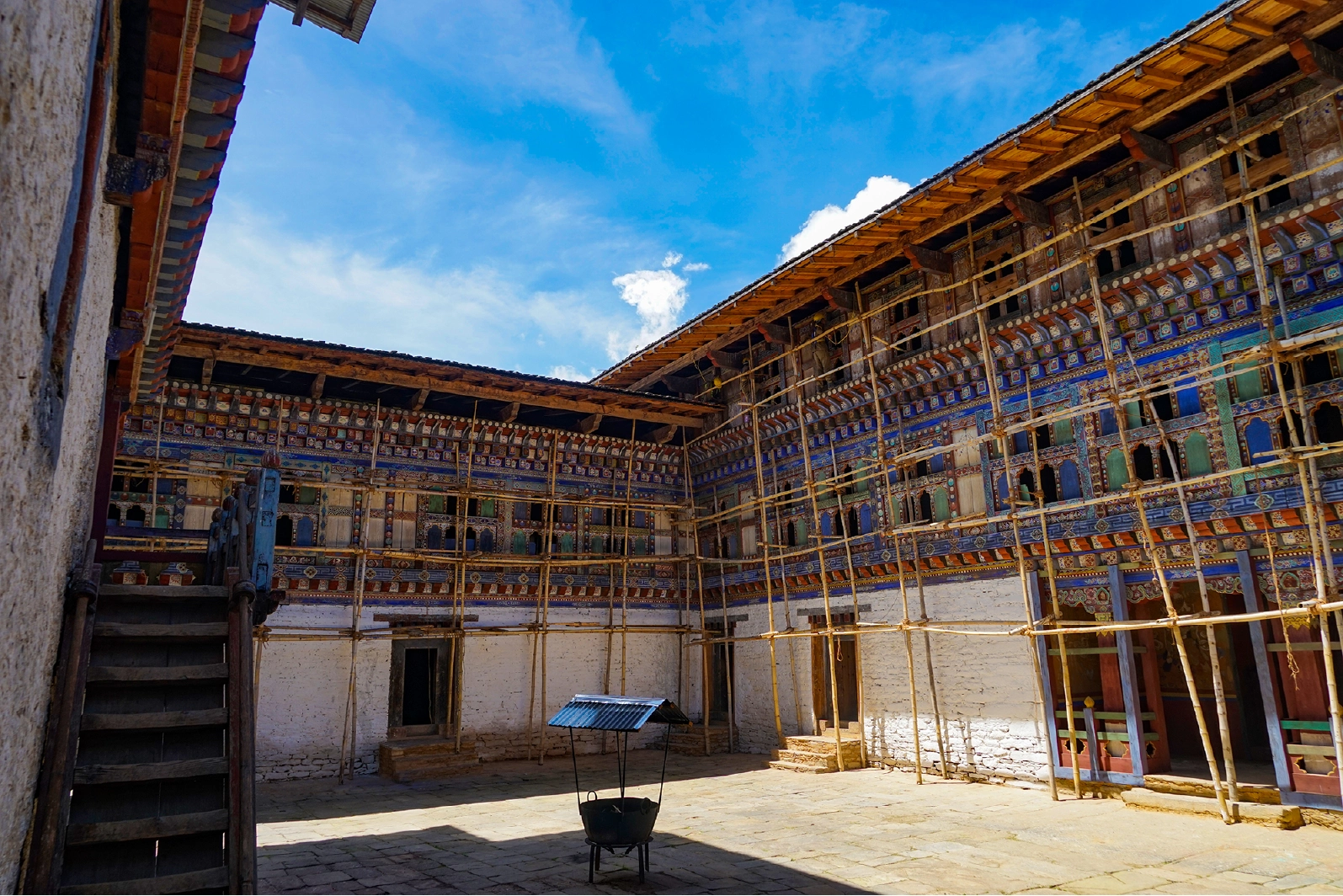
The Wangduechhoeling Palace project began in 2012 and was carried out in three phases: architectural documentation and research, conservation and restoration of the Palace, and adaptive re-use and museum planning and design. After a decade-long restoration process, the Palace has been transformed into a space that preserves Bhutan’s unique architecture and cultural heritage while embracing change.
Now officially open to the public, Wangduechhoeling Palace is envisioned as a vibrant cultural hub that goes beyond a traditional museum. Through educational programs, research initiatives, immersive exhibitions, and community engagement, it aims to celebrate Bhutanese art, history, and culture as living traditions while fostering cultural exchange among local communities and international visitors.
WANGDUECHHOELING PALACE WAS THE FIRST LARGE STRUCTURE IN BHUTAN TO BE BUILT AS A PALACE AND NOT A FORTRESS (DZONG)
The Wangduechhoeling Palace has been recognized as a historic treasure by the World Monuments Fund and was featured as one of the World’s Greatest Places of 2025 by TIME.
Improved tents supplied to nomads in Jomolhari region
Snow Leopard Festivals Supported
Snow leopard conservation groups formed
Snow leopards counted in Bhutan in 2023
Did you Know?
This 19th-century Palace is the birthplace of Bhutan’s first king
The Palace has been recognized as a historic treasure by the World Monuments Fund
The Palace was featured as one of the World’s Greatest Places of 2025 by TIME.
Our Partners
The Bhutan Foundation thanks all our local partners as well as international partners who have continued to support the restoration and adaptive re-use of the Wangduechhoeling Palace. Our main partner on the ground is the Division for Conservation of Heritage Sites, Ministry of Home and Culture, and our international partners include Tsao & McKown Architects, the World Monuments Fund, and the U.S. Ambassadors Fund for Cultural Preservation.
How You Can Help
The Wangduechhoeling Palace is still evolving! The Bhutan Foundation continues to seek technical and financial assistance in the advancement of the restoration and adaptive re-use of the palace. Please consider making a gift to save the culture and architecture of Bhutan.
News and Stories
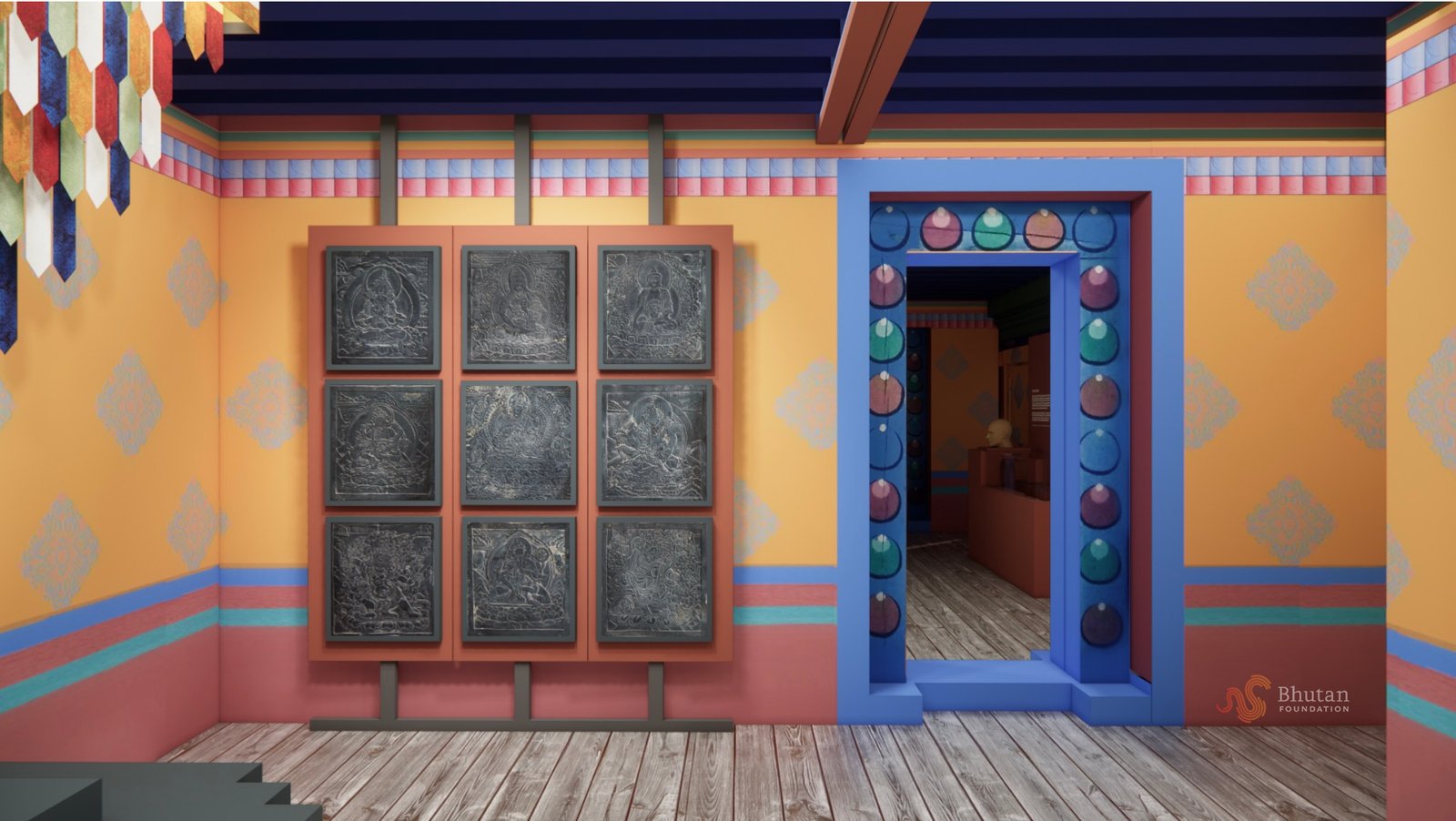
The Return of Guru Tshen Gyed Slates
Bhutanese slate carving is part of the 13 arts and crafts (zorig chusum) of…
A Special Preview of Wangduechhoeling Palace
On Thurday, May 18th, the Wangduechhoeling Palace opened its doors to a special preview…
Reviving Ancient Stories and Crafts at Wangduechhoeling
THE WANGDUECHHOELING PALACE WAS ONCE a vibrant home to Bhutan’s first Kings and Queens.…
Historical Artifacts Gifted to the Wangduechhoeling Palace
With the structural restoration of the historic Wangduechhoeling Palace completed, the Bhutan Foundation, in…
Wangduechhoeling: More Than a Palace Museum
With more than 20 acres of land secured within its compound, the Wangduechhoeling Palace…
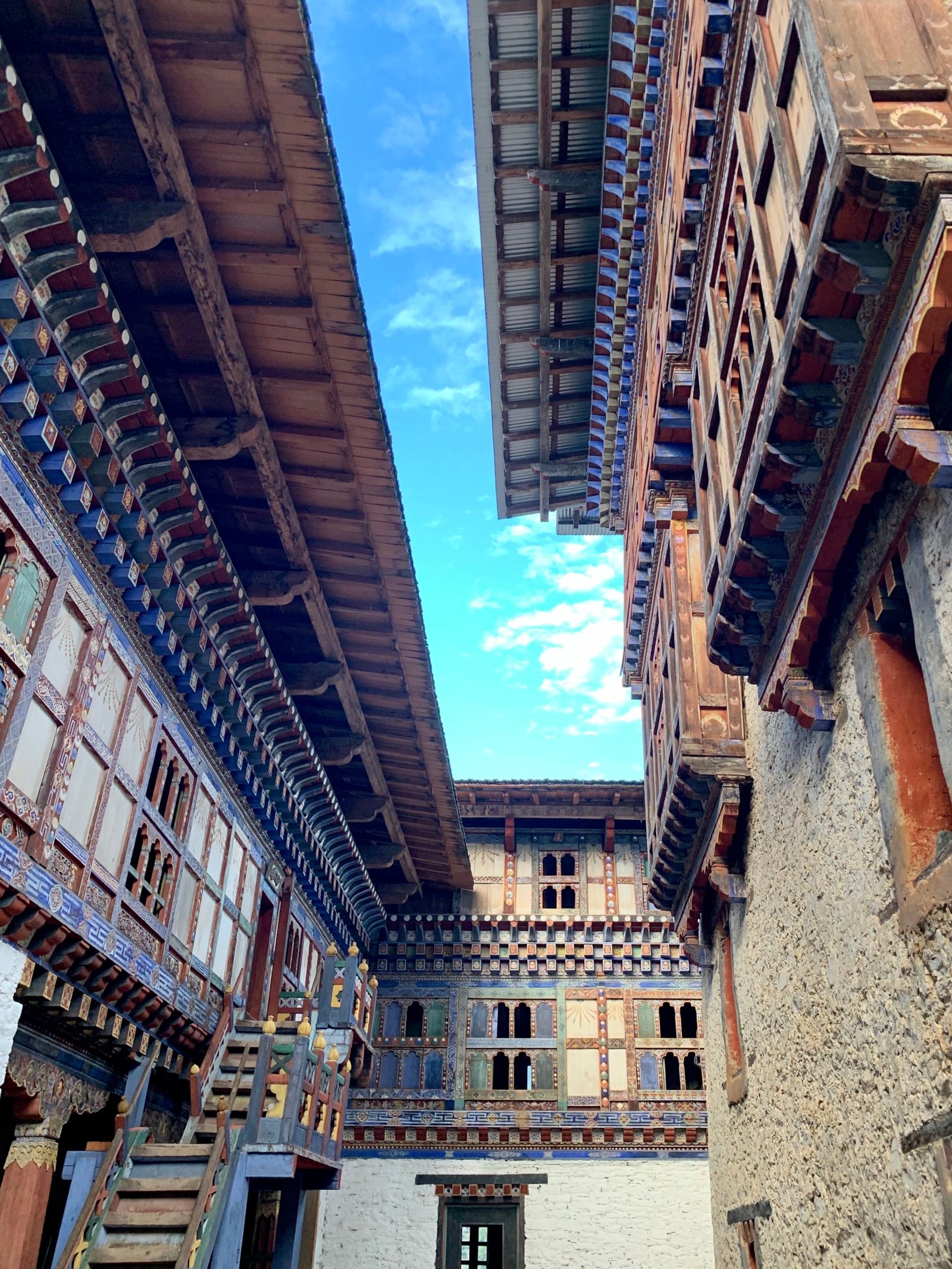
Wangduechhoeling Palace: Bridging the Past with the Future
Sonam Tashi has been managing and supervising the palace conservation work since 2016. Sonam…