Restoring Pastures, Reviving Livelihoods in Gogona

In Bhutan, rural life has long been shaped by smallholder farming—where families depend on the land, their livestock, and generations of knowledge to sustain their livelihoods. These mixed farming systems, rooted in tradition, continue to nourish communities and preserve a way of life deeply connected to nature.

As demand for livestock-based food grows, the Royal Government of Bhutan, through the 13th Five-Year Plan, is advancing efforts to strengthen climate-smart dairy farming—enhancing productivity while safeguarding the resilience of rural communities.
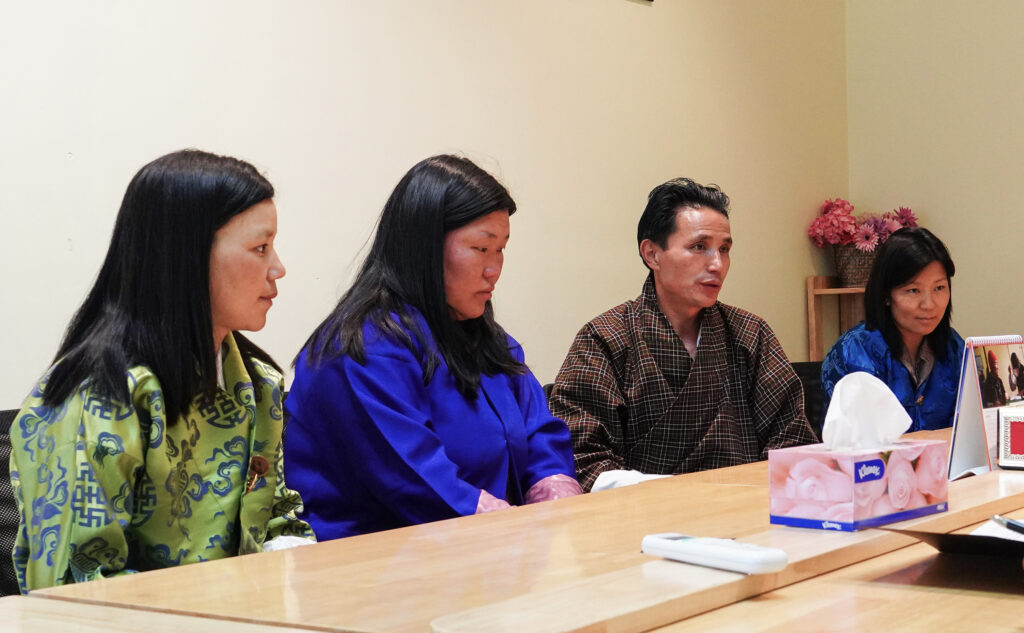
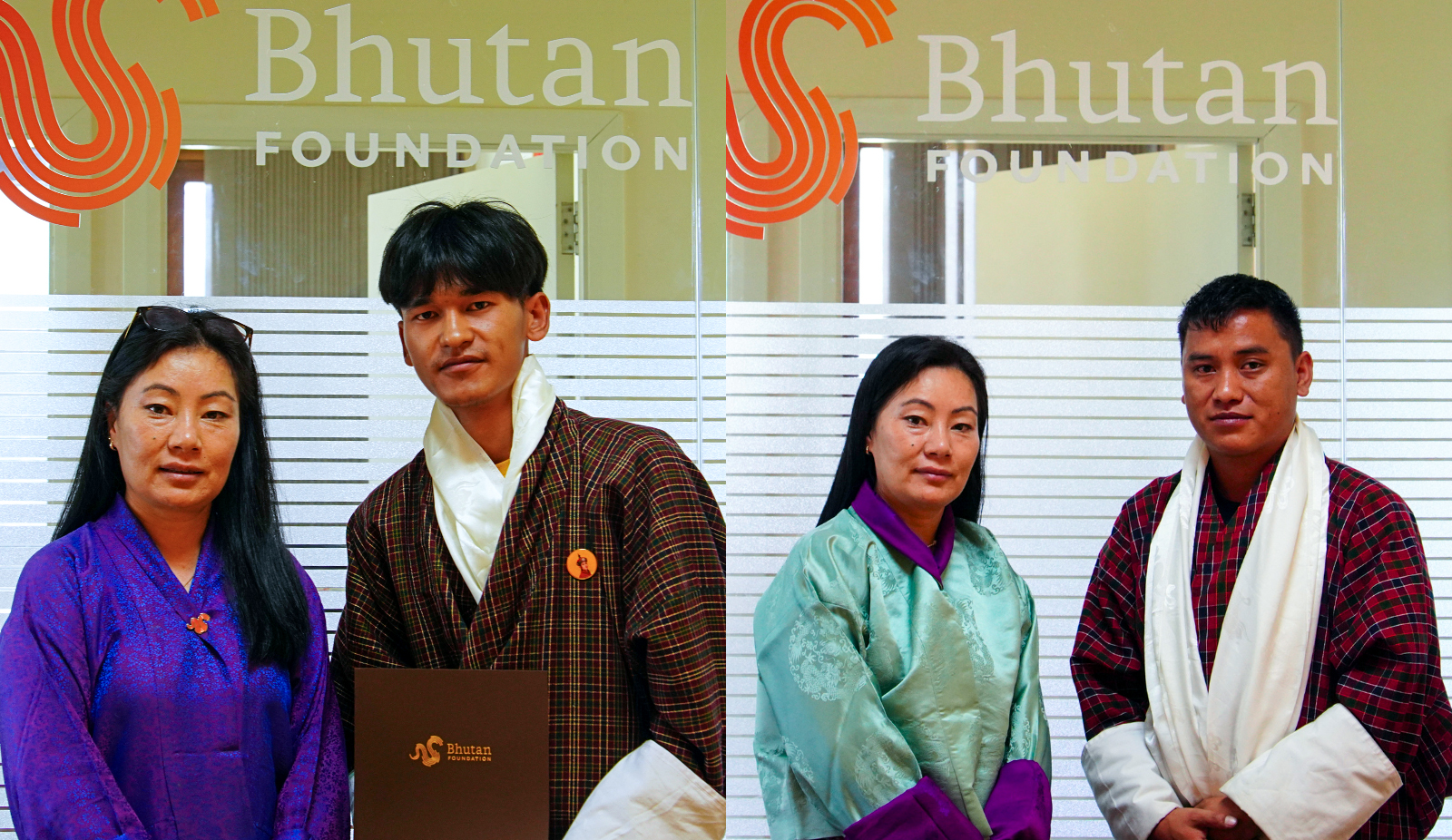
Representatives of the cooperative during the Grant Agreement signing at the Bhutan Foundation.

In Gogona under Gangtey Gewog, Wangdue Phodrang, dairy farming carries a legacy of its own. First introduced in the 1970s under royal command with international support, the initiative once transformed pasturelands, improved cattle breeds, and built a thriving dairy system. Though the sector declined in the 1990s, the community revived it in 2004 by forming a dairy cooperative—reclaiming both tradition and opportunity.
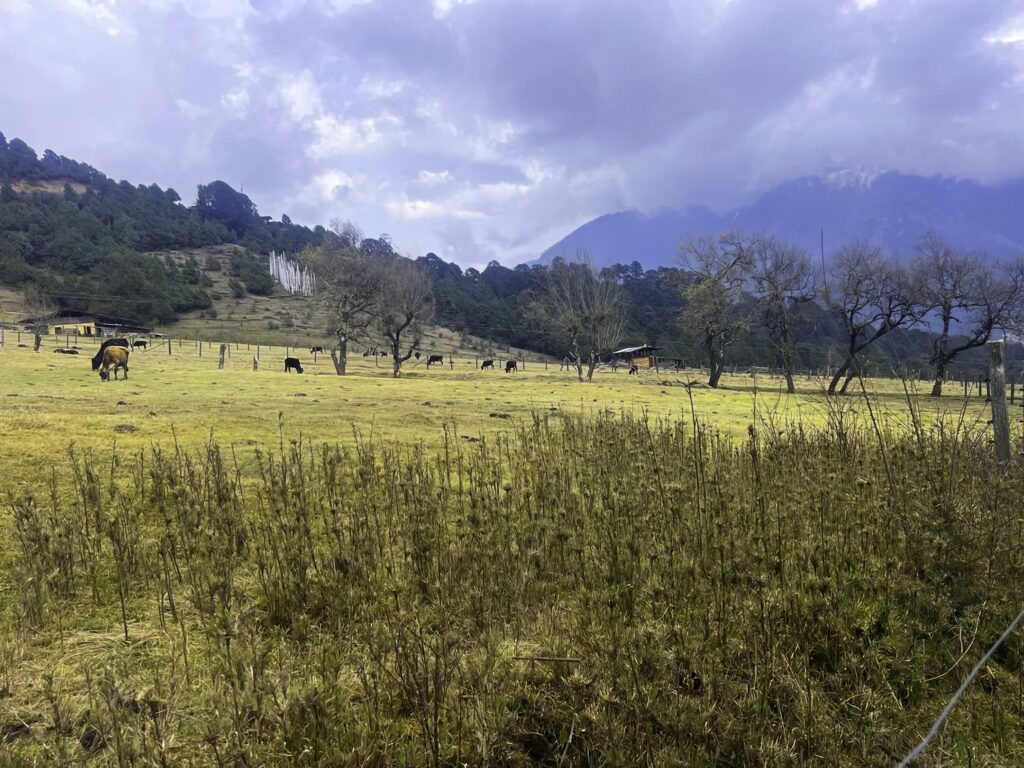
A pastureland in Gogona where invasive species overtake cattle fodder species.

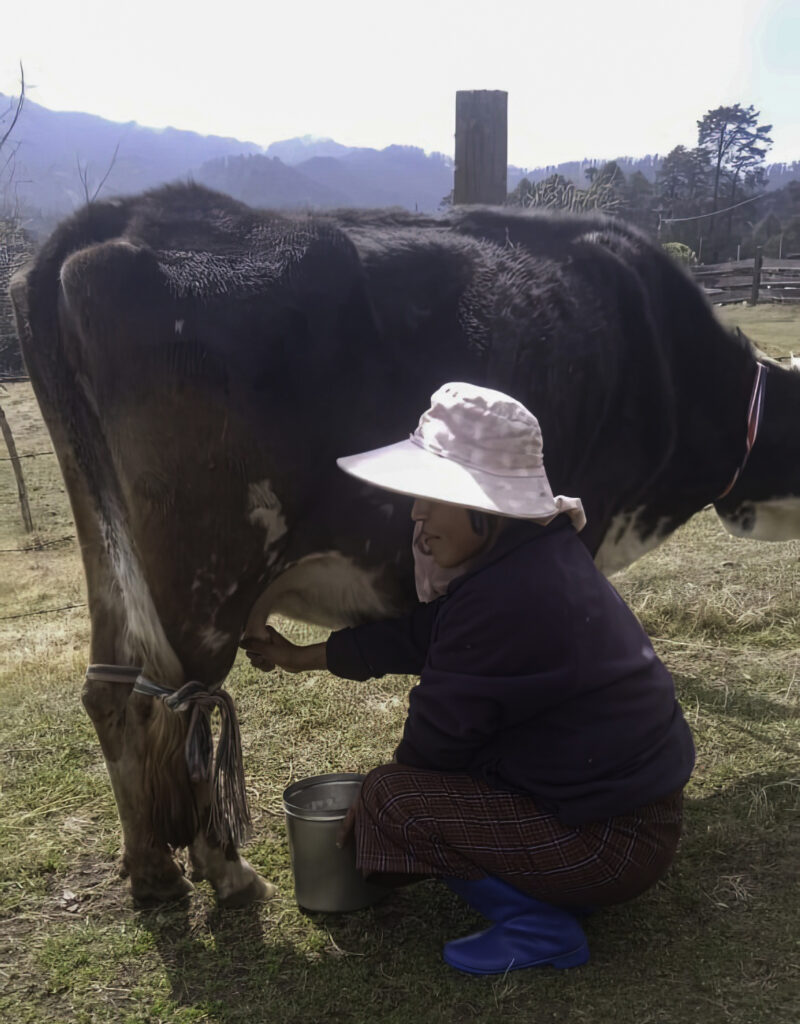
Today, the cooperative brings together 23 members managing over 400 cattle. Largely led by women, it stands as a vital source of income and resilience for the community.

Yet this progress is under threat.

With limited land, farmers depend on 135 acres of leased pasture. Years of overgrazing, poor pasture management, and the spread of invasive, non-nutritive weeds have degraded nearly 90% of this land. As fodder becomes scarce—especially during winter—milk production declines, costs rise, and families are forced to rely increasingly on nearby forests to sustain their livestock.

In response, the Bhutan Foundation is partnering with the Gogona dairy cooperative to restore both the pasturelands and livelihoods.

Through this initiative, degraded pasturelands will be rehabilitated through weed eradication, reseeding with improved fodder species, and soil and moisture conservation measures. At the same time, farmers will be supported with the knowledge and skills needed for sustainable pasture management, effective grazing practices, and long-term ecological stewardship.

Implemented by the cooperative with technical support from the District Livestock Sector and the National Development Centre for Animal Nutrition (NDCAN), this effort represents more than an agricultural intervention—it is an investment in people, in community resilience, and in the future of rural Bhutan.
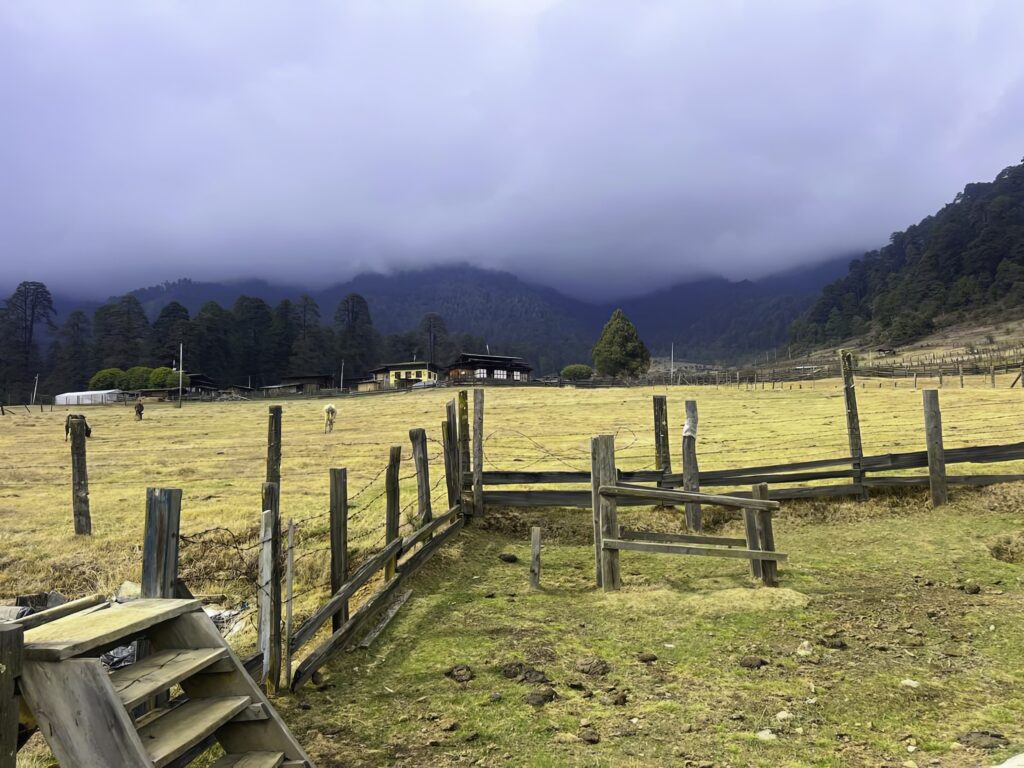
Pasturelands rehabilitation will involve invasive weed eradication and reseeding with improved fodder species.

By restoring pastures, we are restoring productivity. By strengthening practices, we are strengthening livelihoods. And by working together, we are ensuring that communities like Gogona continue to thrive for generations to come.
Share This Post

Help share our latest news and updates with your network.

Subscribe Now

Get inspiring stories, project updates, and opportunities to make a difference.

Latest News, Updates & Announcements

Bruce Bunting Scholarship Recipients 2026

Bruce Bunting Scholarship Recipients 2026

The Bruce Bunting Scholarship for Environmental Leadership continues to support Bhutanese professionals in building the knowledge…

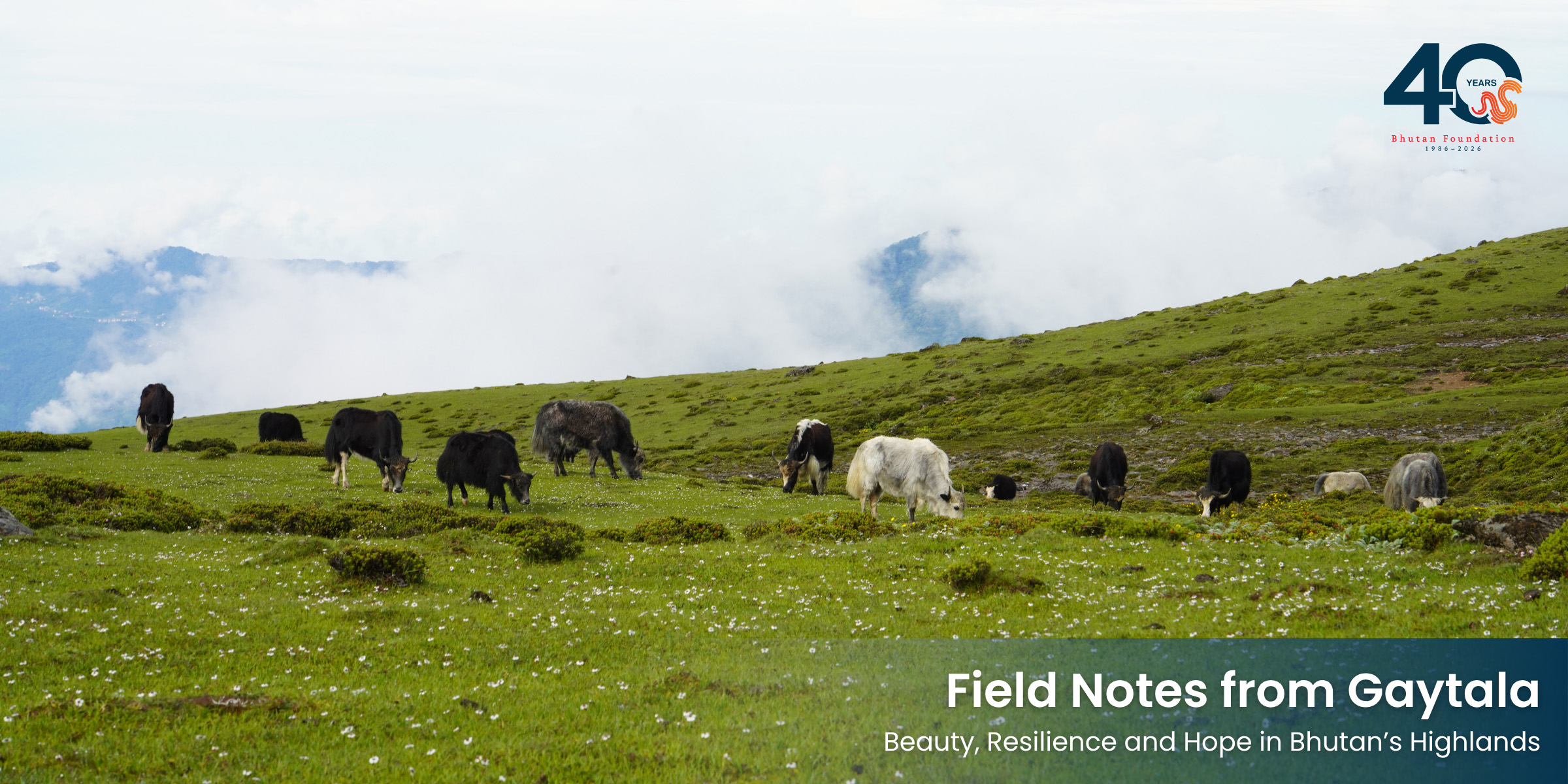
Field Notes from Gaytala

Field Notes from Gaytala

Beauty, Resilience, and Hope in Bhutan’s Highlands Many of the Bhutan Foundation’s programs reach…

Thirty-One Years on the Frontline

Thirty-One Years on the Frontline

For 31 years, Dorji Wangchuk has walked Bhutan’s forests with a responsibility that extends…

Advancing Pangolin Conservation in Bhutan

Advancing Pangolin Conservation in Bhutan

Bhutan is home to two pangolin species: the Critically Endangered Chinese pangolin (Manis pentadactyla)…

Help Build a Stronger Bhutan

Every gift creates lasting change.

Your support will help:

Conserving Bhutan's rich biodiversity and pristine landscapes.

Creating opportunities for children and young people to succeed.

Improving access to quality healthcare and essential services.

Protecting Bhutan's traditions, heritage, and identity.

Other Ways to Give

Make a Wire Transfer

Please contact Ms. Pemma Lhazin at +1-202-609-7363 or pemma.lhazin@bhutanfound.org

Make a Stock Gift

Please contact Ms. Pemma Lhazin at +1-202-609-7363 or pemma.lhazin@bhutanfound.org

Mail a Check

The Bhutan Foundation
1050 Connecticut Ave NW
#66013
Washington, DC 20036

A Gift in Your Will:

There are several ways to make a bequest to the Bhutan Foundation through your will or other estate plans: a residual bequest, a percentage bequest, a specific bequest, or a contingent bequest. Whichever type of bequest you choose, please use the following language:

“I give, devise, and bequeath to the Bhutan Foundation, Inc. (“Foundation”) (EIN: 13-3376290), an Internal Revenue Code section 501(c)(3) organization organized in the State of Delaware, or its lawful successor, the sum of $ _____ [or a percentage of my estate] to be used exclusively for purposes of promoting the Foundation’s charitable mission (the “Purpose”).”

Tax ID Number: 13-3376290

The Bhutan Foundation is a 501(c)(3) registered charitable organization in the United States. Your contribution is tax-deductible to the extent allowed by law.

Stay Connected to Bhutan

Get inspiring stories, project updates, and opportunities to make a difference.

↑