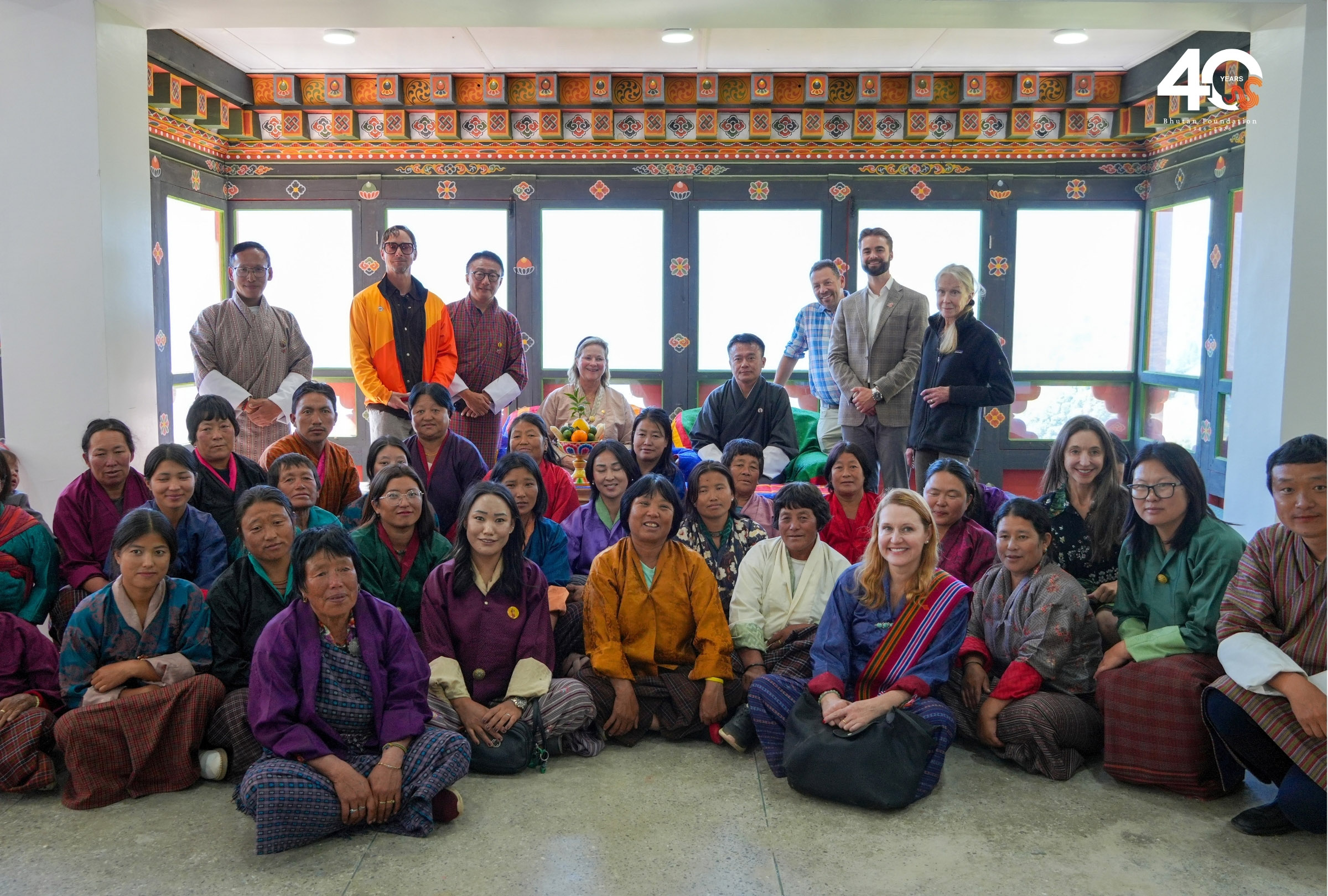
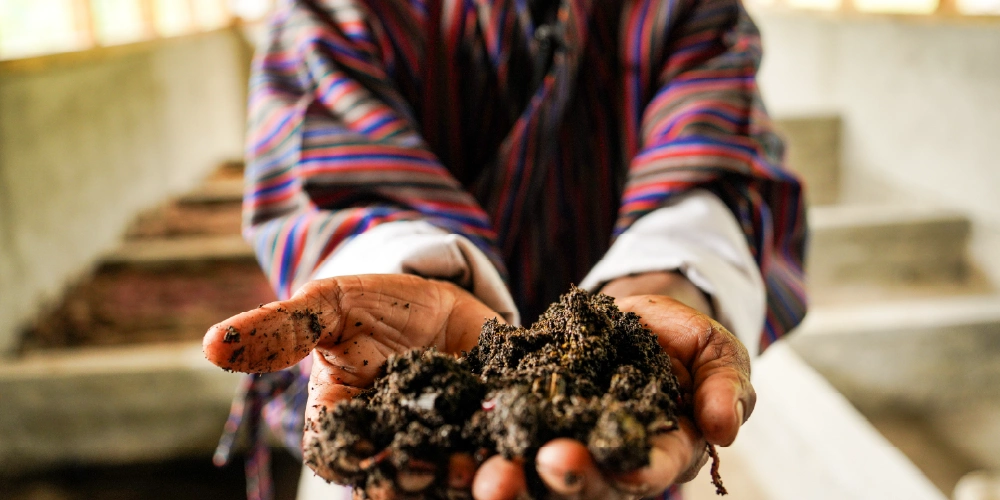
Bhutan remains a global leader in conservation, maintaining its status as a carbon-negative country with a forest cover of 69.71%. However, the Eastern Himalayas face severe environmental strain from climate change and anthropogenic pressures. Bhutan’s forest cover has decreased by 1.29% from the 71% reported in 2016. To uphold the national commitment to remain carbon neutral, the Bhutan Foundation and the Bhutan Ecological Society (BES) launched the Million Plus Plantation Bhutan Program in 2021, complementing the Royal Government’s plantation program. The initiative aims to restore degraded state forests and rehabilitate fallow arable drylands to strengthen the country’s long-term carbon storage capacity.
The project has achieved significant success, planting more than one million trees across 20 districts and establishing “community carbon banks.” It has restored and rehabilitated 7,079 acres of forest and farmland, including the revival of 1,300 acres of previously fallow land, benefiting more than 3,293 households by diversifying their income sources. This initiative provides a proven model for large-scale ecological restoration and community-led climate action.
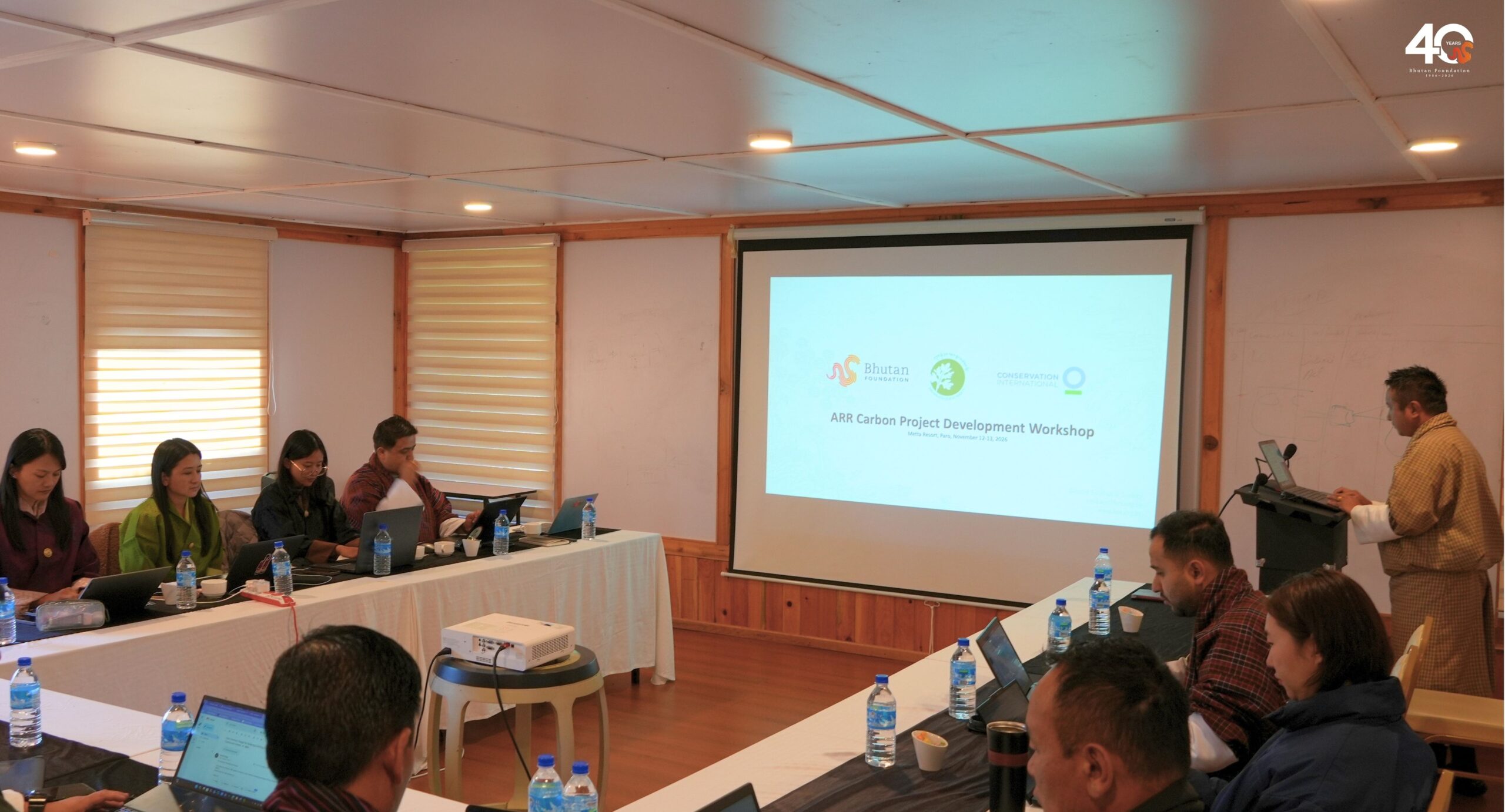
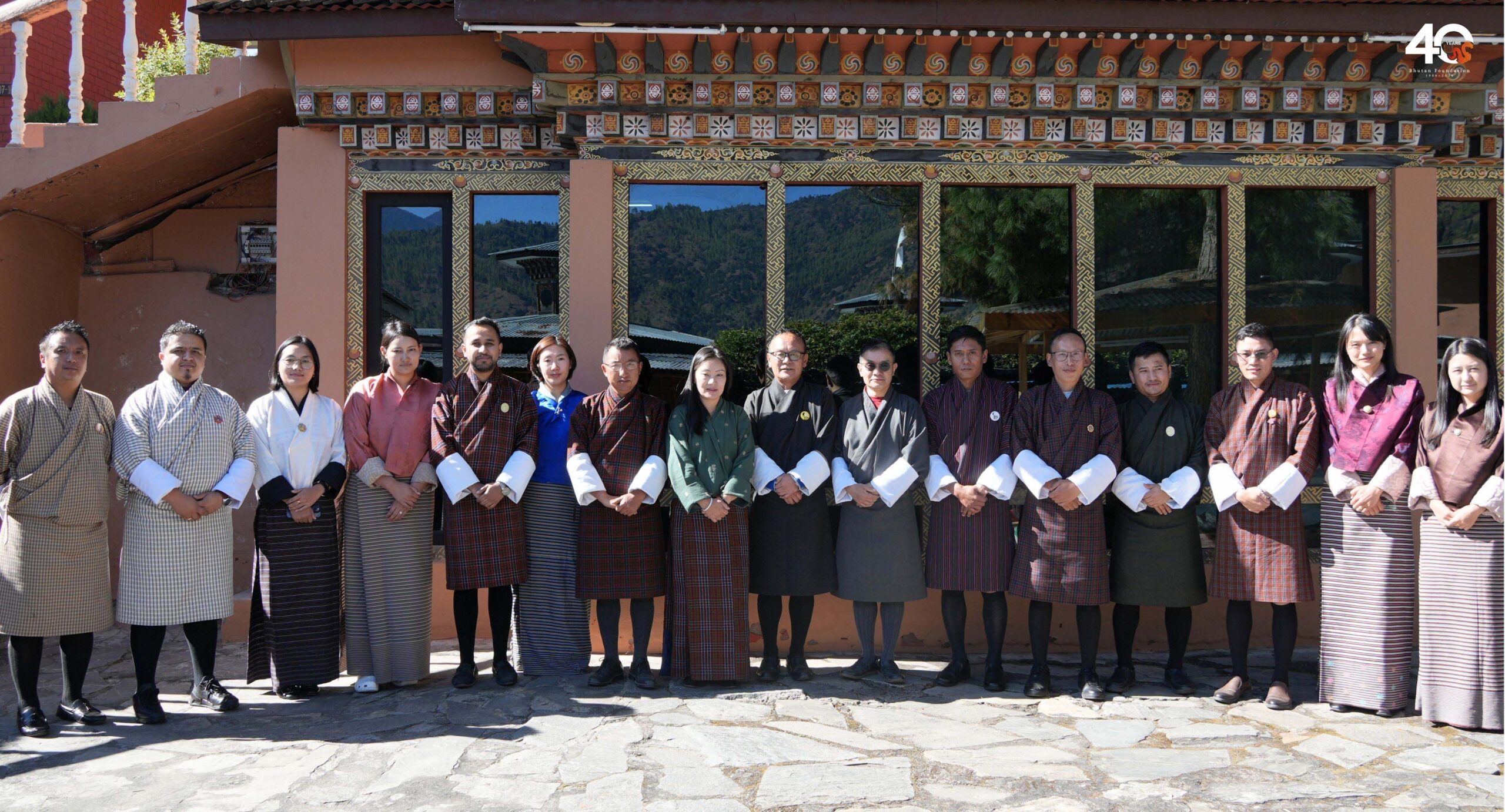
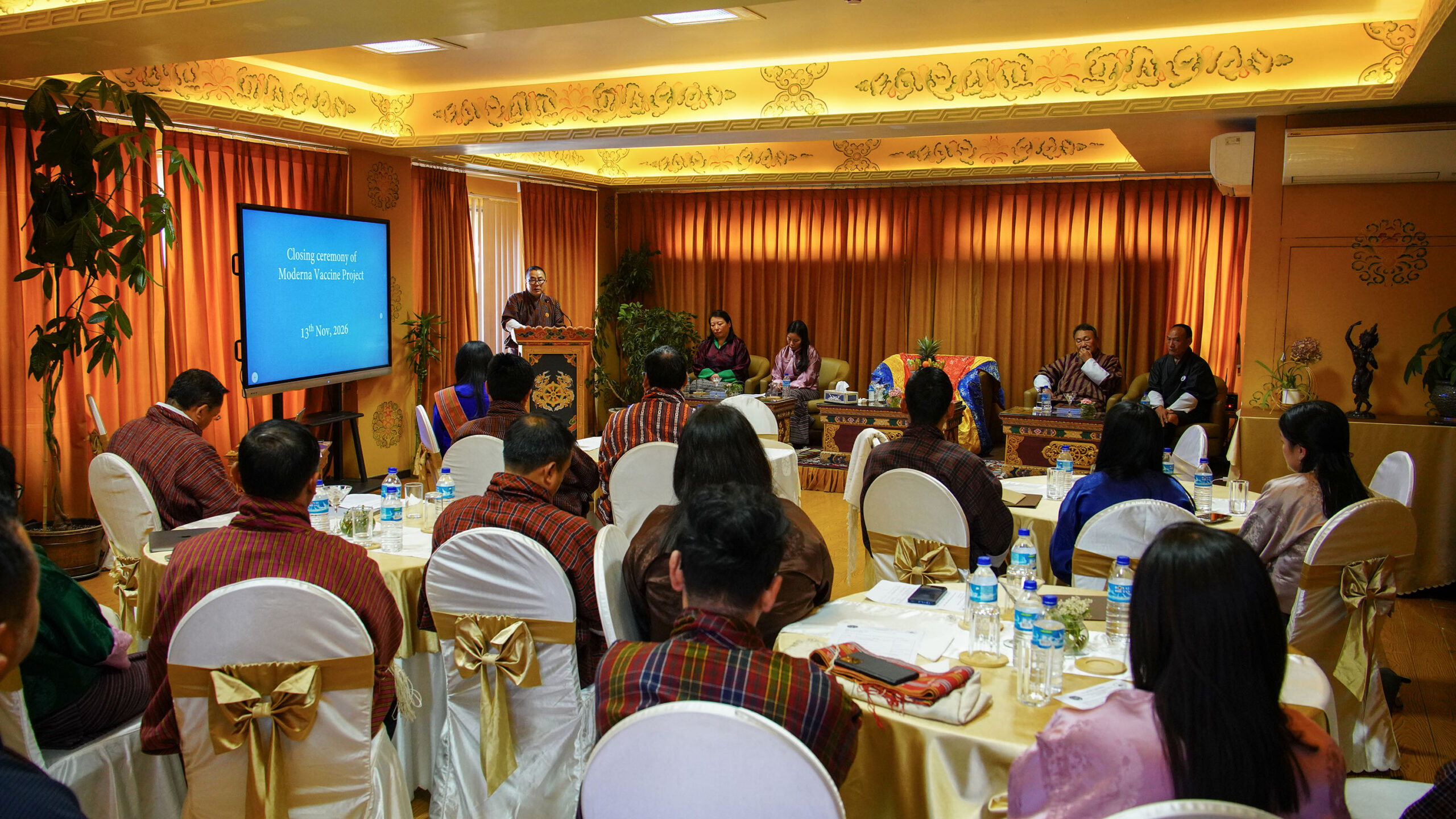
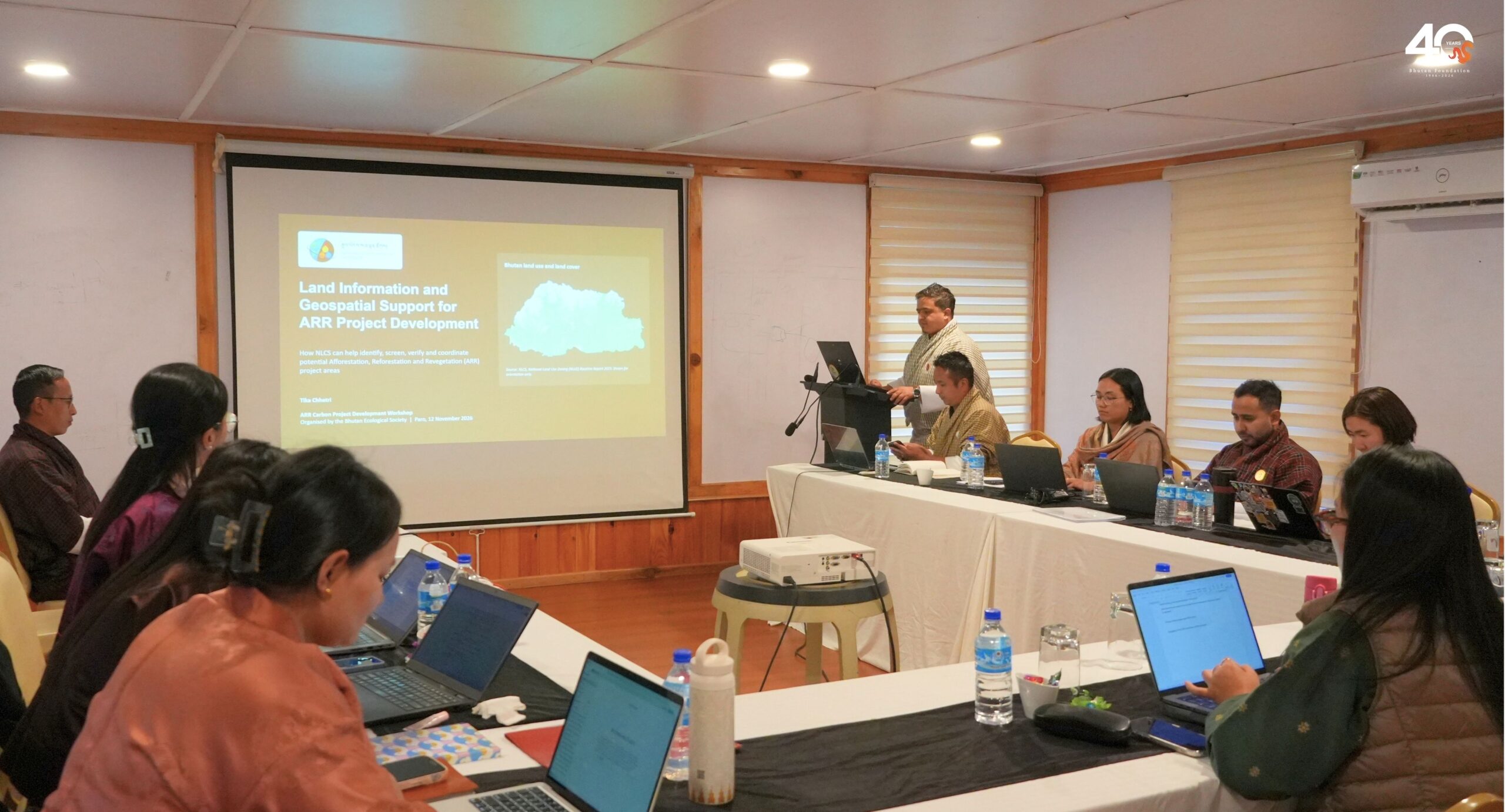
The next phase of the initiative seeks to transition the established “community carbon banks” into formal carbon projects, creating a sustainable mechanism for rural farmers to benefit from carbon credit sales. To facilitate this transition, the Bhutan Foundation, in collaboration with the Bhutan Ecological Society and Conservation International (CI), conducted a two-day ARR (Afforestation, Reforestation and Revegetation) Carbon Project Development Workshop, bringing together key government agencies, financial institutions, conservation organisations, and technical partners to explore opportunities for carbon project development in Bhutan.
The workshop familiarised participants with carbon project development and carbon market opportunities, identified potential project sites, and established a roadmap for developing at least two to three ARR carbon projects across the country. Discussions focused on the restoration potential of fallow agricultural lands and degraded landscapes, Bhutan’s climate policies, carbon standards, community participation, safeguards, and benefit-sharing mechanisms. Financial institutions also shared green financing initiatives and potential support for restoration projects.
The workshop concluded with an exploration of areas for joint collaboration in developing potential ARR carbon projects in Bhutan that will create opportunities for rural communities to benefit from future carbon credit revenues.