Transitioning to Adult Life: Work, Play, Live, and Love

The Ministry of Education and UNICEF organized a week-long training for special education teachers from all 15 schools that teach children with disabilities in Bhutan. During the January 18–23 training, the Bhutan Foundation organized a session on transition in collaboration with Changangkha Middle Secondary School (CGMSS). The session focused on understanding the need for transition planning and what transition means for children with disabilities. Madam Chimi Lhamo from CGMSS and Ms. Sonam Yangden of the Bhutan Foundation facilitated the session for more than 30 special education teachers in Phuntsholing in southern Bhutan. This training was a follow-up to two trainings on transition that Madam Lhamo and Ms. Yangden attended with Perkins International.

The session on transition focused on the definition of transition and the need to start transition planning at an early age for children with disabilities. The training began with the screening of a short film, Amrith—The Story of His Inner Vision, vision about the lives of Bhutanese living with disabilities who have transitioned successfully into young professionals. The film was used to create an activity whereby participants tracked different transition phases shown for the individuals featured in the film. This activity allowed for further discussion on challenges faced by families and children with disabilities transitioning into adulthood.

Ideal transition components addressed three age groups: early age in school (14 years and younger), school-age transition (14 years), and vocational training and employment (18 years and older). The important message here was to help teachers understand the importance of job exposure, identification of a child’s interest, job skill preparation, parent preparation, and much more. The session also introduced teachers to the 11 domains or skills taught in each transition stage: work habit, communication, work behavior, physical capacity, mobility, organizational skills, interest abilities, safety awareness, community awareness, personal care, and money skills.

Finally, Madam Chimi Lhamo spoke about her own experience in developing a transition program for students at her school to transition into Draktsho Vocational Training Center for Special Children and Youth. She talked about the challenges and benefits of the program, especially the challenge of beginning the transition process at a much later age. She encouraged teachers to begin transition planning when the students are much younger.

The session ended by introducing four big ideas: to work, to play, to live, and to love. Children with disabilities often spend the majority of their time learning self-care skills and are often not taught important social skills, such as making a friend. Participants learned that, for children with disabilities to have a wholesome, balanced life, teachers need to offer their students opportunities to learn in all four areas.
Share This Post

Help share our latest news and updates with your network.

Subscribe Now

Get inspiring stories, project updates, and opportunities to make a difference.

Latest News, Updates & Announcements

12th Jomolhari Mountain Festival Marks a New Milestone in Sustainability

12th Jomolhari Mountain Festival Marks a New Milestone in Sustainability

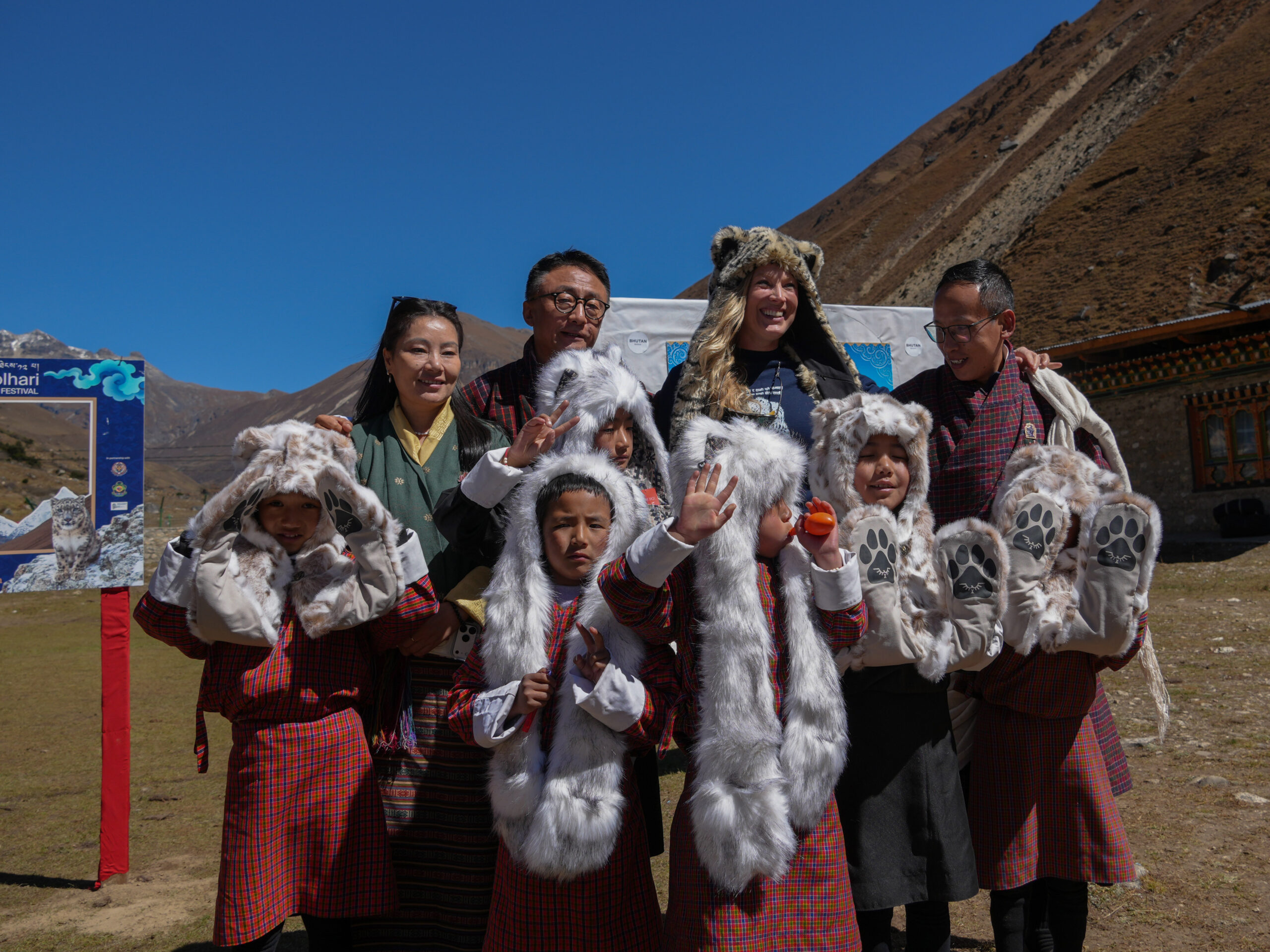
The 12th Jomolhari Mountain Festival kicked off at Dangochong, Soe Gewog, approximately 4,100 metres…

Bruce Bunting Scholarship Recipients 2026

Bruce Bunting Scholarship Recipients 2026

The Bruce Bunting Scholarship for Environmental Leadership continues to support Bhutanese professionals in building the knowledge…

Field Notes from Gaytala

Field Notes from Gaytala

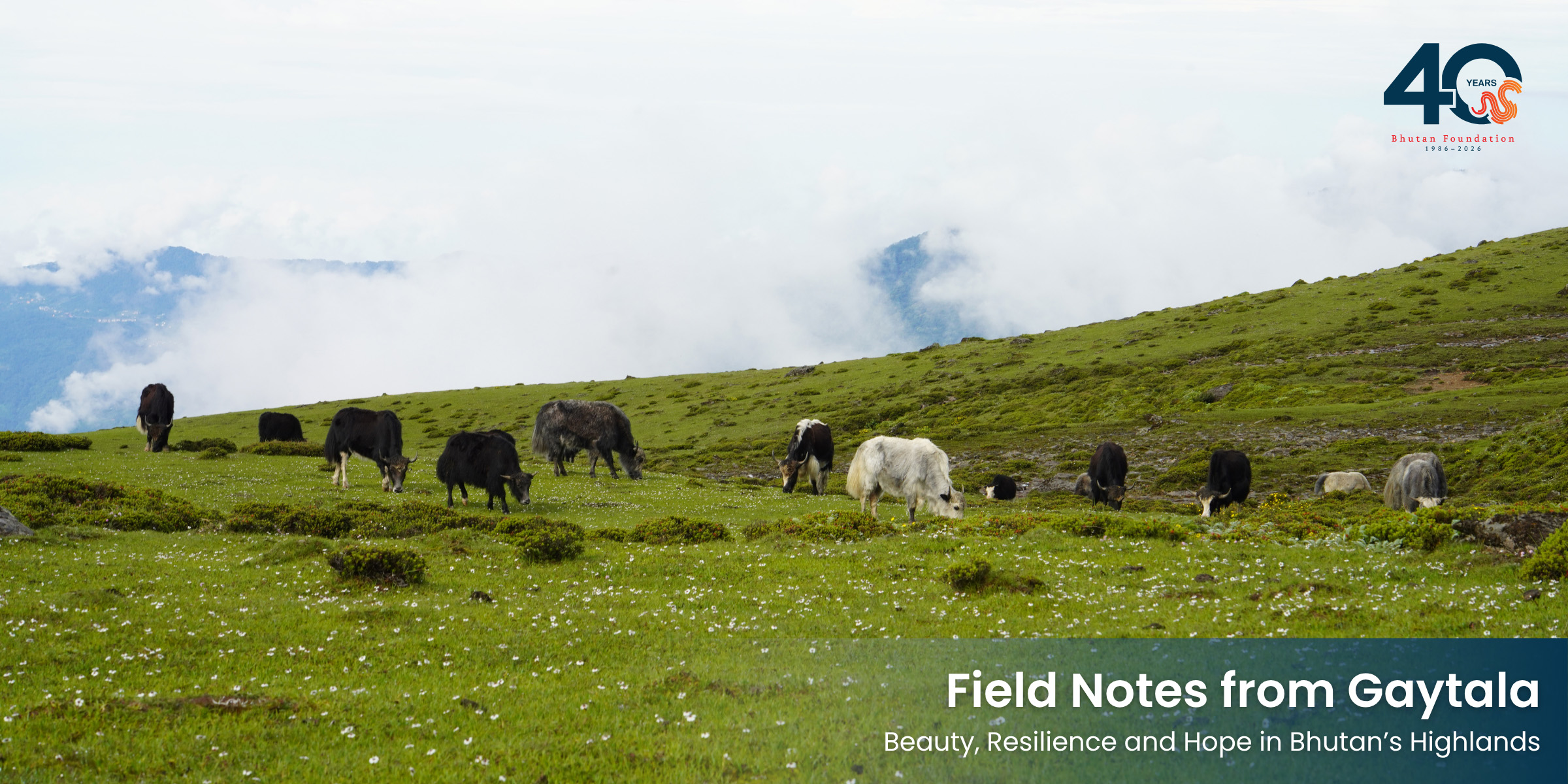
Beauty, Resilience, and Hope in Bhutan’s Highlands Many of the Bhutan Foundation’s programs reach…

Thirty-One Years on the Frontline

Thirty-One Years on the Frontline

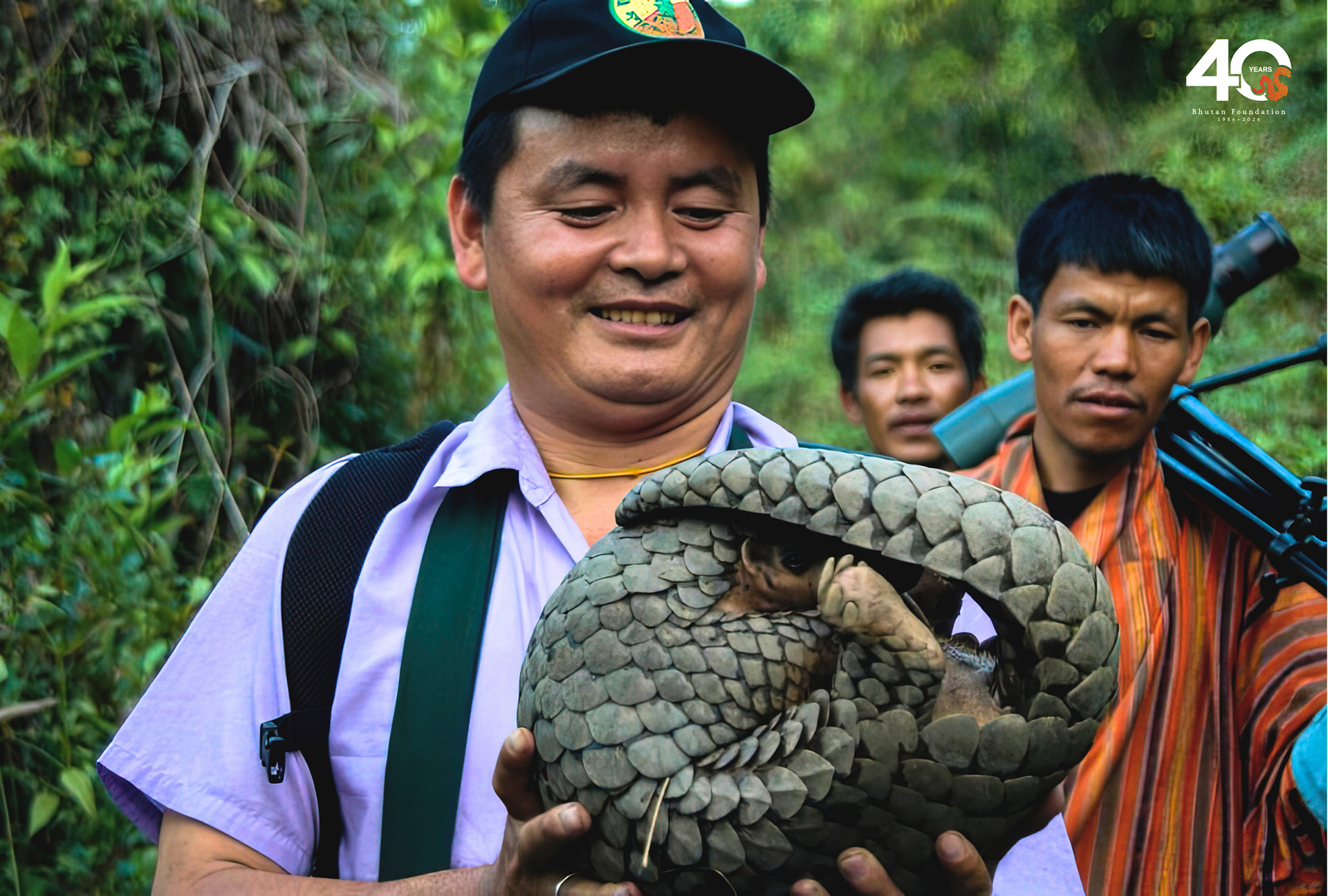
For 31 years, Dorji Wangchuk has walked Bhutan’s forests with a responsibility that extends…

Help Build a Stronger Bhutan

Every gift creates lasting change.

Your support will help:

Conserving Bhutan's rich biodiversity and pristine landscapes.

Creating opportunities for children and young people to succeed.

Improving access to quality healthcare and essential services.

Protecting Bhutan's traditions, heritage, and identity.

Other Ways to Give

Make a Wire Transfer

Please contact Ms. Pemma Lhazin at +1-202-609-7363 or pemma.lhazin@bhutanfound.org

Make a Stock Gift

Please contact Ms. Pemma Lhazin at +1-202-609-7363 or pemma.lhazin@bhutanfound.org

Mail a Check

The Bhutan Foundation
1050 Connecticut Ave NW
#66013
Washington, DC 20036

A Gift in Your Will:

There are several ways to make a bequest to the Bhutan Foundation through your will or other estate plans: a residual bequest, a percentage bequest, a specific bequest, or a contingent bequest. Whichever type of bequest you choose, please use the following language:

“I give, devise, and bequeath to the Bhutan Foundation, Inc. (“Foundation”) (EIN: 13-3376290), an Internal Revenue Code section 501(c)(3) organization organized in the State of Delaware, or its lawful successor, the sum of $ _____ [or a percentage of my estate] to be used exclusively for purposes of promoting the Foundation’s charitable mission (the “Purpose”).”

Tax ID Number: 13-3376290

The Bhutan Foundation is a 501(c)(3) registered charitable organization in the United States. Your contribution is tax-deductible to the extent allowed by law.

Stay Connected to Bhutan

Get inspiring stories, project updates, and opportunities to make a difference.


By submitting this form, you are consenting to receive marketing emails from: The Bhutan Foundation, 1050 Connecticut Ave NW #66013, Washington, DC, 20036, https://bhutanfound.org/. You can revoke your consent to receive emails at any time by using the SafeUnsubscribe® link, found at the bottom of every email. Emails are serviced by Constant Contact