Bhutanese Scientists Partner with U.S. Universities on Research Grants

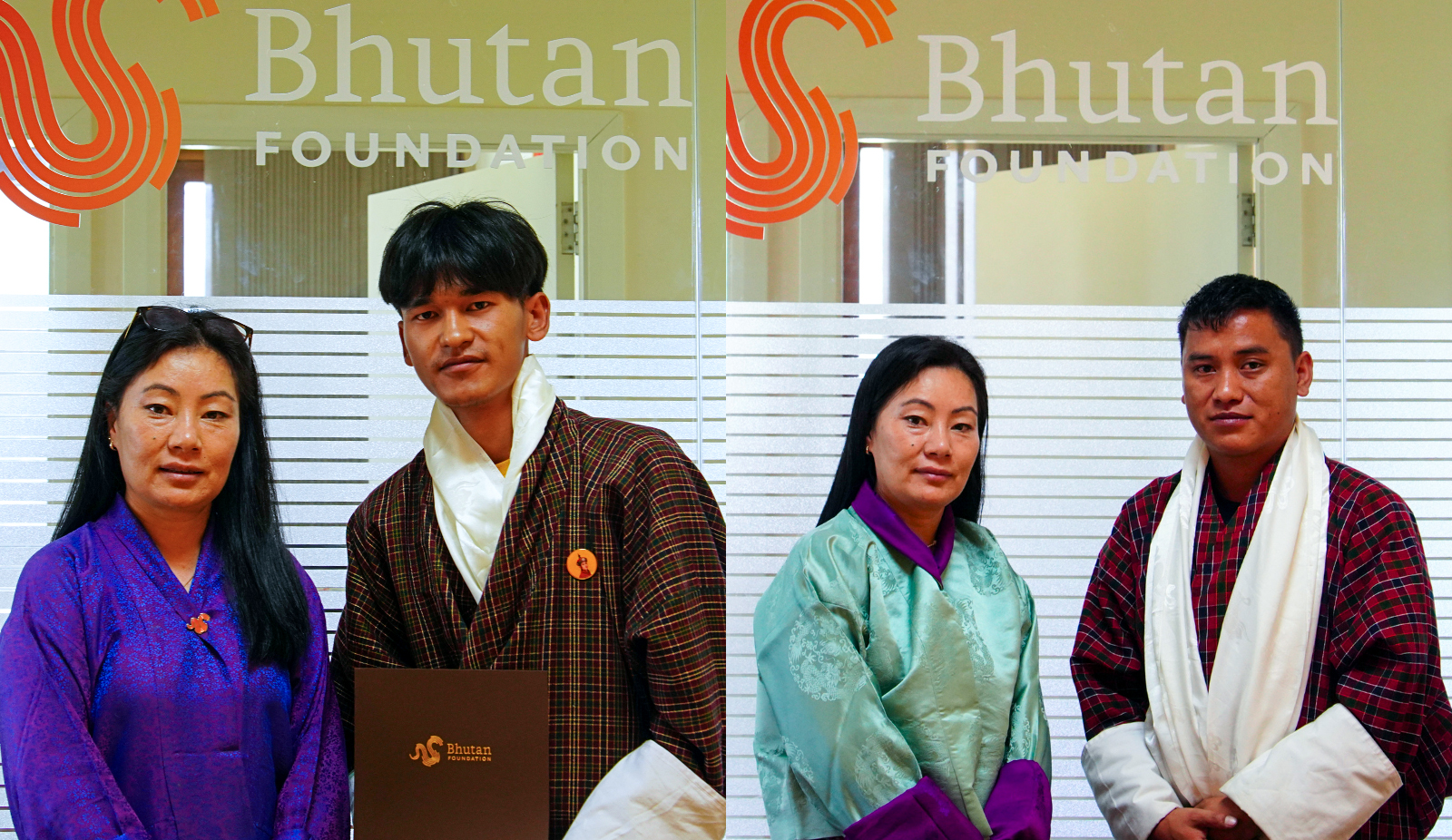
Six Bhutanese scientists were awarded grants to carry out research in collaboration with US universities on public health, food security, and environmental conservation in Bhutan. This program is managed by the Bhutan Foundation and the National Academies of Sciences, Engineering, and Medicine, with funding from USAID through their Partnership for Enhanced Engagement in Research program (PEER). The PEER program invites scientists from low and middle-income countries to apply for funds in support of research and capacity-building activities on topics with strong potential development impacts.

Changa Tshering from the Ugyen Wangchuck Institute for Conservation and Environmental Research is one of these research grantees. He will be studying the impact of climate change on the alpine timberline and its socio-economic effects on highlanders in Bhutan. Bhutan falls under the highly vulnerable category of countries wherein climate change is expected to have a very significant impact. This is due to its high dependency on climate-sensitive socio-economic infrastructures, such as hydropower, agriculture, and forestry. As of now, most studies have focused on glaciers, snow, and glacial lake outburst floods. Not much attention has been given, however, to forest ecosystem responses to climate change. When forest vegetation shifts upward, it alters grazing land, changes the compositions of native plants and animal species, and even affects the livelihoods of highland people. Thus, it has serious ecological and socio-economic impacts that require not only technological intervention but also policy considerations. 

Through this research grant, Changa hopes to gather data and information such as maps, socio-economic survey data, and biodiversity assessment reports. These can be used by stakeholders to plan and implement evidence-based conservation, management, and development activities. This project will train 20 field staff members on geospatial technology, between 20 to 30 highland youth members on GPS technology, and employ additional youth members as data collectors. Ultimately, the research output is expected to benefit highland communities living in five national parks. 

Other research topics selected from Bhutan this year include conserving water basins, saving freshwater biodiversity, promoting climate-smart agriculture, balancing human and primate biodiversity needs, and improving the quality of life and psychological well-being of people living with HIV/AIDS. The Bhutanese scientists have partnered with US institutions such as Yale University, the University of Montana, Michigan Technology University, Brigham Young University, and Central Washington University. 


From Stronger Alliances: Bhutan Foundation Annual Report 2022
Share This Post

Help share our latest news and updates with your network.

Subscribe Now

Get inspiring stories, project updates, and opportunities to make a difference.

Latest News, Updates & Announcements

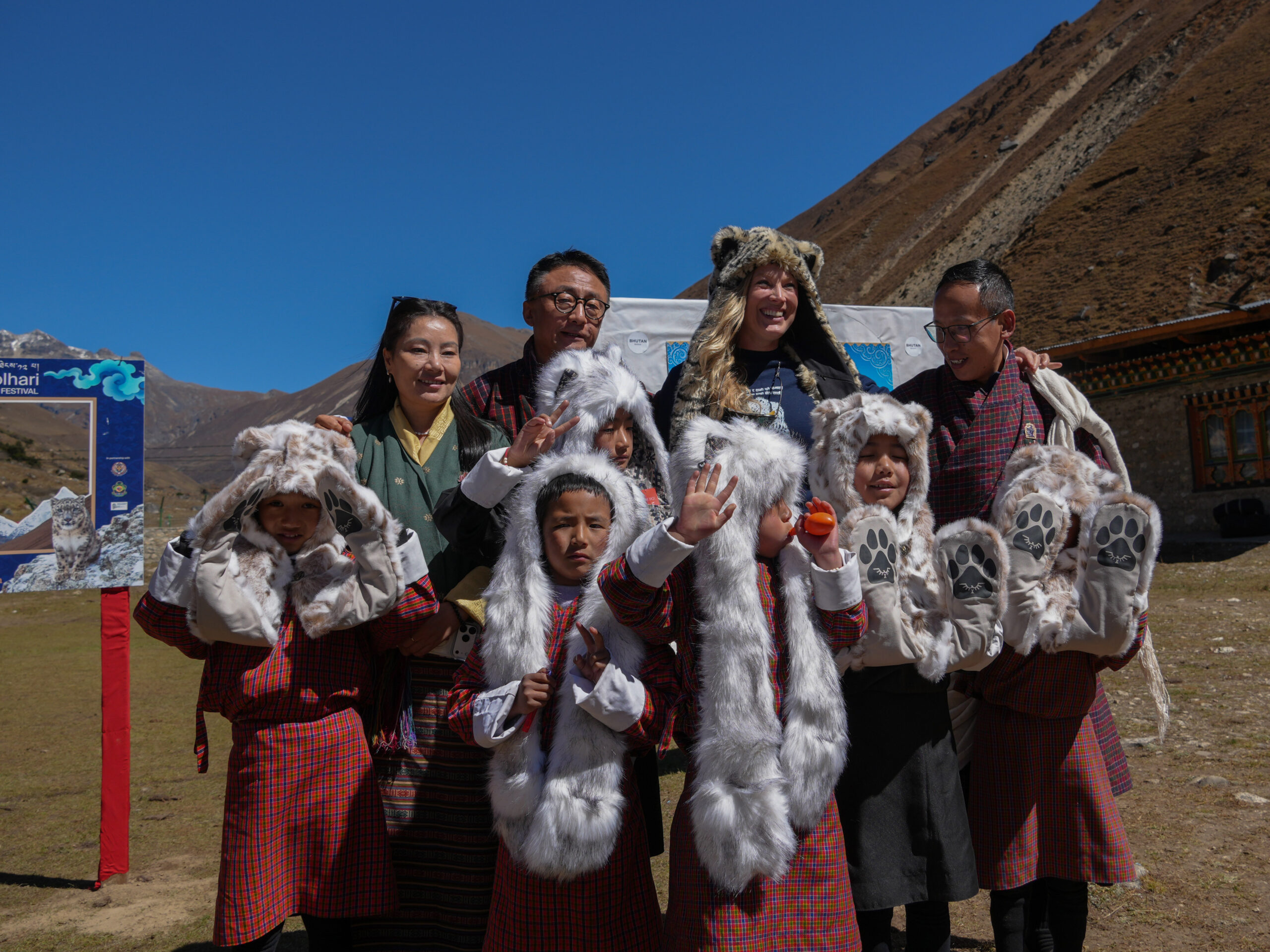
12th Jomolhari Mountain Festival Marks a New Milestone in Sustainability

12th Jomolhari Mountain Festival Marks a New Milestone in Sustainability

The 12th Jomolhari Mountain Festival kicked off at Dangochong, Soe Gewog, approximately 4,100 metres…

Bruce Bunting Scholarship Recipients 2026

Bruce Bunting Scholarship Recipients 2026

The Bruce Bunting Scholarship for Environmental Leadership continues to support Bhutanese professionals in building the knowledge…

Field Notes from Gaytala

Field Notes from Gaytala

Beauty, Resilience, and Hope in Bhutan’s Highlands Many of the Bhutan Foundation’s programs reach…

Thirty-One Years on the Frontline

Thirty-One Years on the Frontline

For 31 years, Dorji Wangchuk has walked Bhutan’s forests with a responsibility that extends…

Help Build a Stronger Bhutan

Every gift creates lasting change.

Your support will help:

Conserving Bhutan's rich biodiversity and pristine landscapes.

Creating opportunities for children and young people to succeed.

Improving access to quality healthcare and essential services.

Protecting Bhutan's traditions, heritage, and identity.

Other Ways to Give

Make a Wire Transfer

Please contact Ms. Pemma Lhazin at +1-202-609-7363 or pemma.lhazin@bhutanfound.org

Make a Stock Gift

Please contact Ms. Pemma Lhazin at +1-202-609-7363 or pemma.lhazin@bhutanfound.org

Mail a Check

The Bhutan Foundation
1050 Connecticut Ave NW
#66013
Washington, DC 20036

A Gift in Your Will:

There are several ways to make a bequest to the Bhutan Foundation through your will or other estate plans: a residual bequest, a percentage bequest, a specific bequest, or a contingent bequest. Whichever type of bequest you choose, please use the following language:

“I give, devise, and bequeath to the Bhutan Foundation, Inc. (“Foundation”) (EIN: 13-3376290), an Internal Revenue Code section 501(c)(3) organization organized in the State of Delaware, or its lawful successor, the sum of $ _____ [or a percentage of my estate] to be used exclusively for purposes of promoting the Foundation’s charitable mission (the “Purpose”).”

Tax ID Number: 13-3376290

The Bhutan Foundation is a 501(c)(3) registered charitable organization in the United States. Your contribution is tax-deductible to the extent allowed by law.

Stay Connected to Bhutan

Get inspiring stories, project updates, and opportunities to make a difference.


By submitting this form, you are consenting to receive marketing emails from: The Bhutan Foundation, 1050 Connecticut Ave NW #66013, Washington, DC, 20036, https://bhutanfound.org/. You can revoke your consent to receive emails at any time by using the SafeUnsubscribe® link, found at the bottom of every email. Emails are serviced by Constant Contact