Innovative Surveillance and Control Strategy Training for Vector-borne Diseases in Bhutan

People around the world are susceptible to bacteria and viruses transmitted by ticks, fleas, mosquitos, and other insects, or “vectors.” Bhutan’s Department of Public Health has made substantial progress toward reducing malaria transmission. However, vector-borne diseases remain a threat in Bhutan.

Currently, vector-borne diseases prevalent in the country are malaria, dengue, leishmaniasis, and scrub typhus with few isolated cases of Japanese encephalitis reported since 2014. Bhutan has also seen one episode of Chikungunya outbreak in the past. In addition, with climate change and more people traveling in and out of the country, Bhutan remains under constant threat of importing exotic emerging vector-borne diseases, such as Zika virus, lymphatic filariasis, and more. This calls for a concerted effort from all relevant sectors, including communities, to prevent and control vector-borne disease outbreaks in the country.

As part of a global attempt to eradicate malaria, Bhutan’s Health Ministry established the Vector-borne Disease Control Program (VDCP) in Gelephug in Southern Bhutan under the Department of Public Health. Although the malaria technicians at VDCP conduct routine entomological surveillance, the quality and uniformity of the entomological data is a concern due to lack of technical capacity and other resources.

To address these issues, the Bhutan Foundation is bringing in expertise from the Yale School of Public Health (YSPH) and the US Department of Agriculture (USDA) to collaborate with the Khesar Gyalpo University of Medical Sciences of Bhutan (KGUMSB) and the VDCP to lead a 10-day hands-on training in Gelephug and Tsirang. The training will develop malaria technicians’ skills and equip them with resources that will lead to accurate and qualitative data.

In addition, the training will use a citizen-science program, in which the technicians and entomologists can supplement the existing public health infrastructure by using the community to help monitor for insect-transmitted pathogens and insect pests. The participants will learn about the risks of insect-transmitted pathogens and the best ways to involve the community to take preventive measures. The project will use an innovative surveillance and control strategy, which involves community participation and ownership of the disease for effective control. In the long run, we hope that the citizen-science program will strengthen the monitoring effort and community response in the event of an outbreak.
Share This Post

Help share our latest news and updates with your network.

Subscribe Now

Get inspiring stories, project updates, and opportunities to make a difference.

Latest News, Updates & Announcements

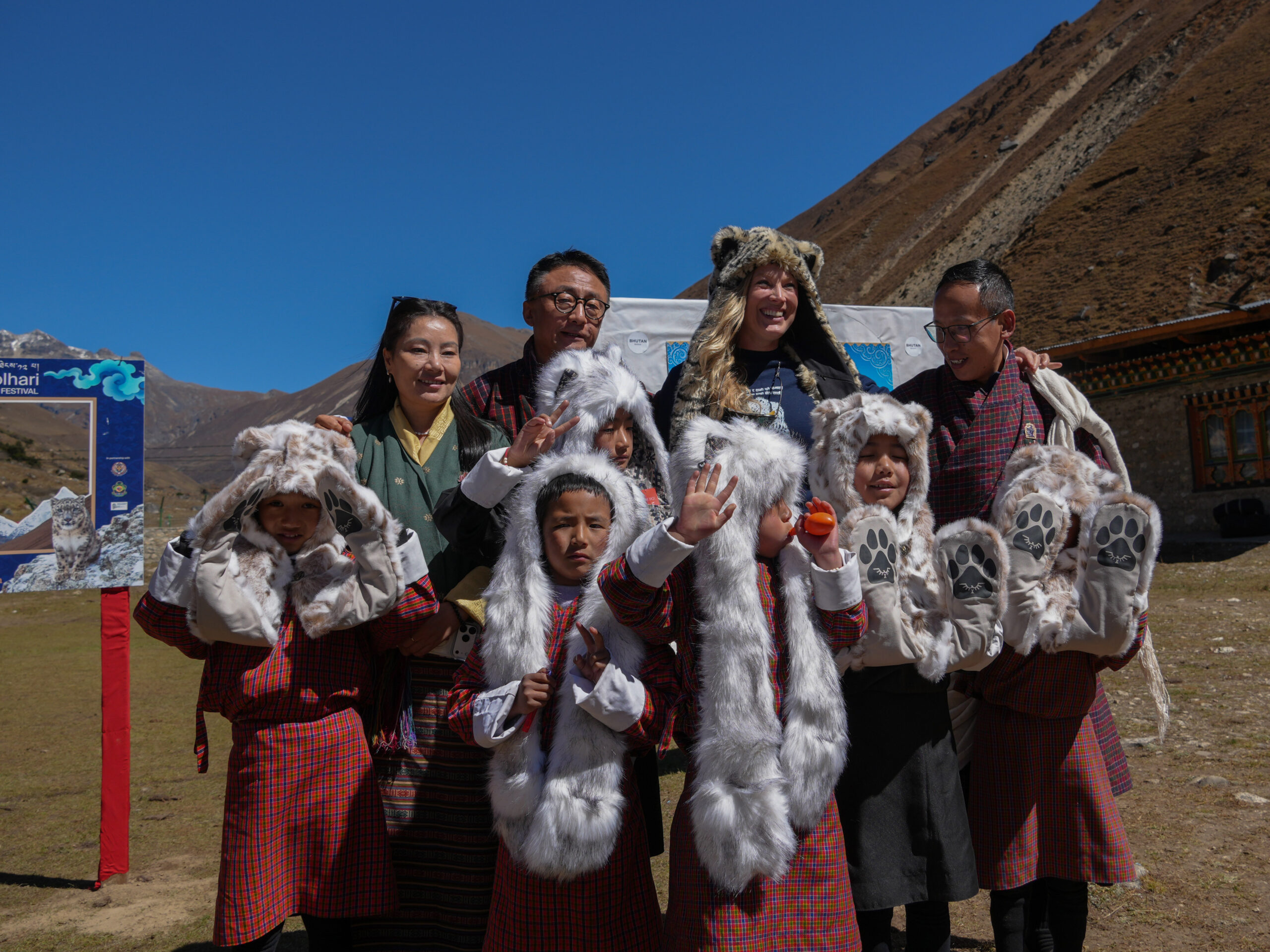
12th Jomolhari Mountain Festival Marks a New Milestone in Sustainability

12th Jomolhari Mountain Festival Marks a New Milestone in Sustainability

The 12th Jomolhari Mountain Festival kicked off at Dangochong, Soe Gewog, approximately 4,100 metres…

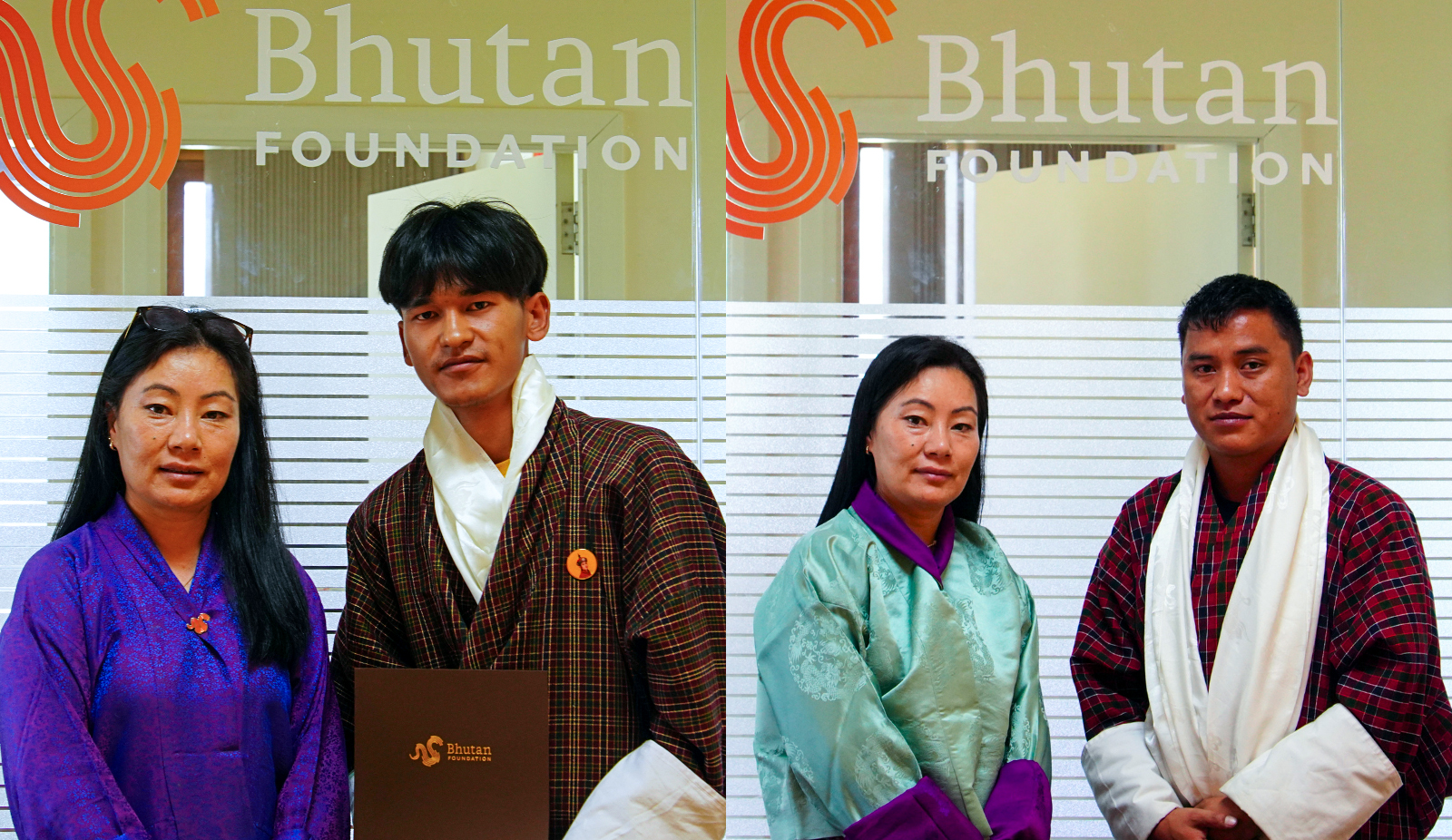
Bruce Bunting Scholarship Recipients 2026

Bruce Bunting Scholarship Recipients 2026

The Bruce Bunting Scholarship for Environmental Leadership continues to support Bhutanese professionals in building the knowledge…

Field Notes from Gaytala

Field Notes from Gaytala

Beauty, Resilience, and Hope in Bhutan’s Highlands Many of the Bhutan Foundation’s programs reach…

Thirty-One Years on the Frontline

Thirty-One Years on the Frontline

For 31 years, Dorji Wangchuk has walked Bhutan’s forests with a responsibility that extends…

Help Build a Stronger Bhutan

Every gift creates lasting change.

Your support will help:

Conserving Bhutan's rich biodiversity and pristine landscapes.

Creating opportunities for children and young people to succeed.

Improving access to quality healthcare and essential services.

Protecting Bhutan's traditions, heritage, and identity.

Other Ways to Give

Make a Wire Transfer

Please contact Ms. Pemma Lhazin at +1-202-609-7363 or pemma.lhazin@bhutanfound.org

Make a Stock Gift

Please contact Ms. Pemma Lhazin at +1-202-609-7363 or pemma.lhazin@bhutanfound.org

Mail a Check

The Bhutan Foundation
1050 Connecticut Ave NW
#66013
Washington, DC 20036

A Gift in Your Will:

There are several ways to make a bequest to the Bhutan Foundation through your will or other estate plans: a residual bequest, a percentage bequest, a specific bequest, or a contingent bequest. Whichever type of bequest you choose, please use the following language:

“I give, devise, and bequeath to the Bhutan Foundation, Inc. (“Foundation”) (EIN: 13-3376290), an Internal Revenue Code section 501(c)(3) organization organized in the State of Delaware, or its lawful successor, the sum of $ _____ [or a percentage of my estate] to be used exclusively for purposes of promoting the Foundation’s charitable mission (the “Purpose”).”

Tax ID Number: 13-3376290

The Bhutan Foundation is a 501(c)(3) registered charitable organization in the United States. Your contribution is tax-deductible to the extent allowed by law.

Stay Connected to Bhutan

Get inspiring stories, project updates, and opportunities to make a difference.


By submitting this form, you are consenting to receive marketing emails from: The Bhutan Foundation, 1050 Connecticut Ave NW #66013, Washington, DC, 20036, https://bhutanfound.org/. You can revoke your consent to receive emails at any time by using the SafeUnsubscribe® link, found at the bottom of every email. Emails are serviced by Constant Contact